
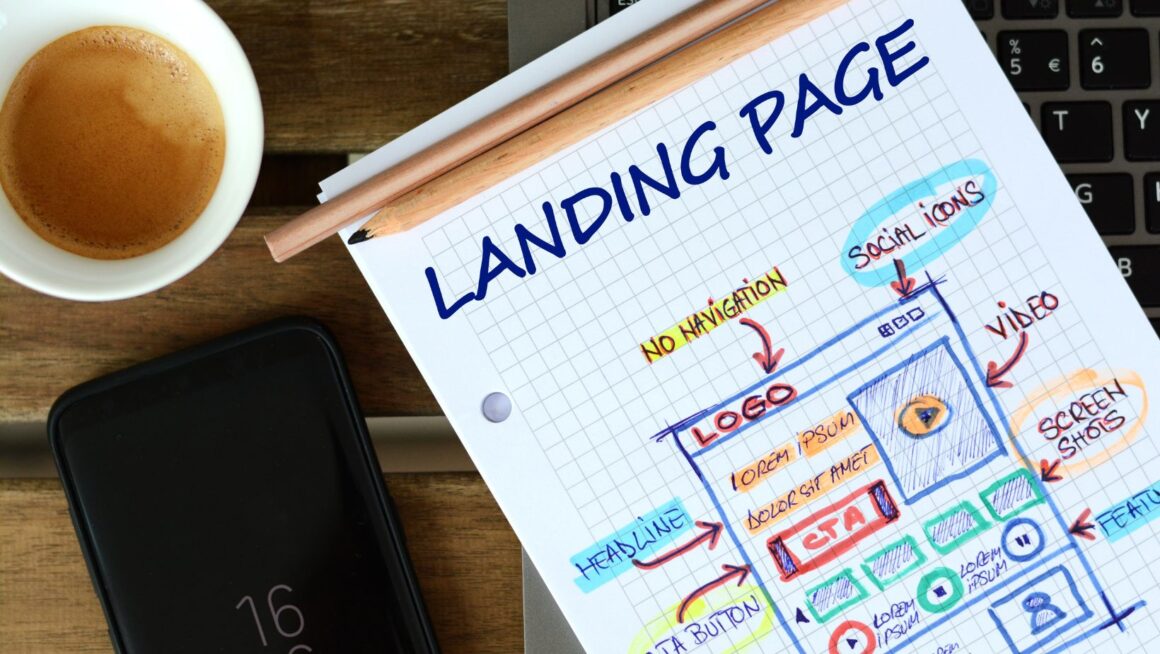
The planning of websites is the basis for creating an effective web presence. It requires creating a cohesive design, defining user-friendly experience, optimising content as well as aligning goals of business and technical implementation. The traditional methods of planning are often time-consuming, overwhelming and susceptible to mistakes. This is why web-based planning AI technology comes in to change the way websites are thought of and built.
This article outlines 15 of the most effective methods AI site planners are changing the way you think about web site planning and helps users understand how you can harness the technology to achieve greater results in digital marketing.
Importance of WebSite Planner
A site planner integrates data analytics, machine-learning as well as automation to simplify the entire process of designing a website. Utilizing AI site planner features in the site planner companies can dramatically increase effectiveness, efficiency as well as effectiveness when creating websites specifically designed for their target audience.
From Chaos to Clarity: 15 Ways AI Site Planners Revolutionize Web Design
1. Automated Sitemap Generation
AI site planners study your goals for business and standard practices and automatically create clear, easy-to-read sitemaps. This can save time and effort manual labor, and creates a clear site structure.
2. Intelligent Content Structuring
In analyzing competitors’ websites and data from SEO, AI suggests optimal content designs and layouts that attract visitors and boost the search engine rankings.
3. Personalized User Experience Design
Planning your website AI technology makes use of user behavior information to create easy navigation pathways as well as interface elements that are tailored to the user’s preference.
4. SEO Integration Right from the Beginning
AI software incorporates SEO guidelines such as keywords positioning, meta tags and alt text when planning making sure your site is optimised before the development process begins.
5. Dynamic Page Recommendations
Based on your business’s industry and business goals, AI recommends relevant pages and sections, including testimonials, blogs, or showcases of products, for greater functionality and fullness.
6. Mobile-First Planning
AI site planners focus on the responsiveness of design, by suggesting designs and features that function effortlessly across all phones, thus improving the mobile user experience.
7. Visual Content Suggestions
AI analyses your brand’s image and your content requirements to recommend pictures, videos and other graphics that will improve your messaging and the level of engagement.
8. User Journey Mapping
AI anticipates the flow of users and paths to conversion, assisting designers create websites that direct visitors to their desired actions.
9. A/B Testing Blueprint
AI aids in the planning of A/B test strategies, by suggesting different layouts, calls to action, and other content that could be evaluated post-launch for efficacy.
10. Competitive Analysis
AI Site planner features comprise competition analysis that provides insight into what is working in your particular industry, and also identifying possibilities to differentiate your site.
11. Integration to CMS and Builders
The majority of AI planners integrate seamlessly with the most popular CMS as well as website builders, which allows for simple transition from planning creation.
12. Real-Time Collaboration
AI platforms typically allow collaborative planning. This allows teams to collaborate simultaneously as they share their feedback and adjust their plans immediately.
13. Budget and Timeline Estimations
Certain AI programs estimate the cost of projects and timeframes on the basis of anticipated features. This helps in managing the resources efficiently.
14. Continuous Optimization Recommendations
website planning AI technology doesn’t end with start; it continues to provide recommendations based on data from visitors to improve and refine your website.
15. Accessibility Compliance Guidance
AI helps in planning to make your website accessible by suggesting design and features that comply with legally-required standards. This makes your website accessible for any user.
Beyond Core Features: Advanced AI Planning Capabilities

1. Streamlining Content Collaboration and Approval
AI website planners typically have collaboration tools that allow editors, designers and others to work effortlessly. These tools offer version control as well as feedback loops and approval workflows to help teams remain on the same page and decrease delays in the planning phase.
The result is that decisions regarding design and content can be made swiftly and precisely.
2. Automating Technical SEO Planning
Beyond the on-page SEO aspect, AI can plan for technical SEO factors like the speed of your site, its the crawlability of the site, XML sitemaps, and schema markup. In recognizing potential technical problems when planning,
AI helps avoid costly repairs post-launch, and enhances the overall health of your site for higher results in the search engine listings.
3. Predictive Analytics for User Engagement
Certain sophisticated AI planners use predictive analytics to predict how visitors will engage with the various website elements.
This allows you to prioritize elements and contents that will attract visitors, and ultimately lead to conversions. This allows for a better allocation of resources for design and development.
4. Supporting Multilingual and Global Website Planning
To help businesses target multiple areas, AI site planners can provide methods for multilingual content, geo-targeting as well as design elements that are culturally appropriate.
The goal is to ensure that your site appeals to different audiences and maintains the best SEO practices in all languages.
5. Enhancing Security Planning in Website Development
AI-powered planning tools can also aid in determining security best methods during the site plan stage.
Through recommending secure architectures, SSL implementation, as well as data protection measures, AI assists in protecting your site and your customer’s data right at the beginning.
Why Does AI Site Planner Features Matter for Modern Businesses?
Implementing AI for website design can help firms reduce errors made by hand, improve workflow, and develop user-centric SEO-friendly sites.
Automating repetitive tasks lets teams concentrate on strategy and creativity as data-driven information ensures that your website is in tune with the intended users.
How to Choose the Right AI Site Planner Tool?
- Features Set: Seek out complete planning capabilities, such as the generation of sitemaps SEO integration user journey mapping.
- User-Friendliness: Select software with easy-to-use interfaces as well as customizable options.
- Integration: Make sure that it is compatible with your CMS and any other marketing tools.
- Support and Updates: Look for a provider that offers solid customer service and frequent updates to features.
- Scalability: Pick platforms that will grow to meet the needs of your company.
How to Maximize ROI Using AI Site Planner Features?
For the greatest benefits to get the most value from AI web-based tools for planning companies should incorporate AI advice with regular reviews and analytics immediately following the launch.
Constantly improving the structure of websites, the content, structure, and experience on the basis of real-world performance increases return on investment and helps to sustain growth over time.
Common Misconceptions About AI in Website Planning
Although it is gaining acceptance, AI in website planning is still viewed with suspicion. There are a few common myths dispelled:
- “AI Replaces Human Creativity”
AI can be a very effective assistant and isn’t a substitute. AI can handle repetitive, heavy-data jobs, allowing your team to be focused on storytelling and vision. - “AI Is One-Size-Fits-All”
The latest AI planners gain insight through your inputs, and then tailor suggestions to meet your specific situation and your target audience. - “AI Is Only for Big Companies”
AI tools are flexible and affordable, providing cost-effective alternatives for small and start-up companies that want to be competitive on the internet.
Learning these things can help to embrace AI in a way that is realistic and let it unleash its full power.
Practical Tips for Implementing AI Site Planning Technology
Do you want to use AI to help you plan your site? Here’s the best way to start:
- Establish clear objectives: Identify what success means for your site, whether it’s the ability to generate leads, sales or brand recognition. A clear goal will provide AI suggestions.
- Select the right tool: Consider AI planners for their features such as ease of using, capabilities for integration and support for customers.
- Create Quality input: More detailed and precise the information you provide about your audience, business and competition more accurate AI will be able to tailor your strategy.
- Develop Your Team: Be sure that your design, marketing and development teams are able to make use of the AI tool and understand the AI’s suggestions.
- Develop and improve: Utilize AI-generated strategies as a starting place, then you can refine it according to testing, analysis as well as user feedback.
If you follow the steps below, you integrate AI effortlessly into your workflow. It will result in the speedier, more efficient creation of websites.
Conclusion
AI site planners can transform web design by automating difficult jobs, providing insight based on data and increasing creativity. Implementing the use of website plan AI technology lets businesses create user-friendly, efficient as well as SEO-friendly websites quicker and with more precision which gives them an advantage in the online landscape.
