
Artificial intelligence is transforming digital content creation, and image to video AI tools are at the forefront of this shift. These platforms use machine learning to turn still images, sketches, or text prompts into dynamic video sequences. Whether for social media, marketing, storytelling, or ideation, creators and professionals increasingly rely on such tools to streamline workflows and unlock visual creativity without heavy technical expertise. This list highlights five leading solutions that balance innovation with usability.
Each entry features an overview of strengths, typical use cases, and what distinguishes the tool in the broader image‑to‑video ecosystem. Pollo AI tops this list, followed by a curated selection of tools offering a range of advanced features, from real‑time editing to 3D scene synthesis.
1. Pollo AI – Leading in Automation and Flexibility
Pollo AI stands out as a comprehensive image to video AI tool designed for diverse creator needs. It packs an intuitive interface, flexible templates, and powerful automation into a cohesive experience. Users can upload a set of images, sketch a rough storyboard, or input prompts to produce video sequences with minimal manual intervention. For teams and individual creators alike, Pollo AI prioritizes an easy learning curve without compromising on output quality or customization options.
In practice, Pollo AI has become a trusted tool for marketers, educators, and social media editors who want a reliable image to video AI solution that scales from simple clips to complex multi‑scene videos. Its template library spans formats such as square for social posts, landscape for presentations, and vertical for reels or stories. Additional features like voice‑over integration and scene transitions make it suitable for both novices and advanced users. The platform’s balance of automation and control reflects wider trends in AI‑assisted video workflows, making it an efficient Facebook video maker for creating engaging content.
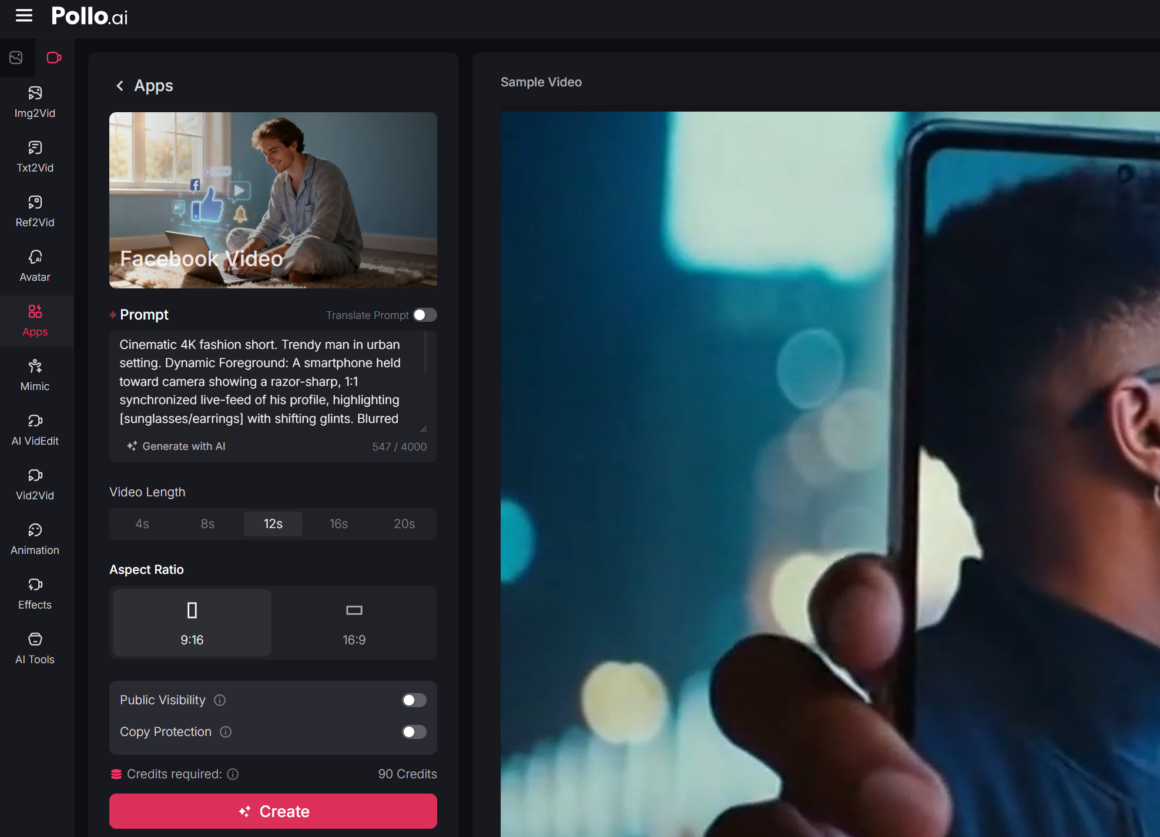
Key Features
- Intelligent scene generation from images and prompts
- Expandable template library for different platforms
- Integrated editing tools such as transitions and audio sync
2. Runway – Real‑Time Editing Meets Creative AI
Runway has earned a reputation as a versatile creative suite that incorporates image to video AI with real‑time editing capabilities. The platform enables users to transform images into animated sequences, apply generative effects, and refine visuals using familiar timeline tools. Runway’s strength lies in its blend of traditional video editing with cutting‑edge AI, giving creators a hybrid environment where experimentation is encouraged.
Artists and content producers often turn to Runway when they need fine control over AI‑generated video elements. The interface supports layering, keyframe control, and collaborative review, making it a good fit for workflows that require both precision and automation. Runway has expanded its generative model offerings to include motion synthesis, background replacement, and text‑to‑video snippets, emphasizing adaptability across creative demands. With a robust community and frequent model updates, it reflects the rapid evolution of image to video AI functionalities in a professional setting.
Key Features
- Real‑time timeline editing combined with generative tools
- Motion effects and scene enhancement
- Support for collaborative creative workflows
3. Seedance 2.0 – Focus on Dynamic Motion from Stills
Seedance 2.0 delivers a streamlined image to video AI experience with an emphasis on motion synthesis. It specializes in turning static images into fluid animations, enabling photographers, social creators, and visual storytellers to bring still moments to life. With simplified controls, users can adjust movement styles, pacing, and animation presets that suit different narrative modes.
The platform’s engine analyzes image content and generates motion trajectories that feel organic or stylized depending on user preference. One of Seedance 2.0’s advantages is its capacity to produce visually engaging clips without requiring detailed storyboards — a boon for creators who prioritize speed over granular customization. It also integrates sound cues and motion templates, giving users a base from which to build more complex videos. For those exploring foundational image to video AI features with minimal setup, Seedance 2.0 offers a balanced introduction.
Key Features
- Automatic motion path generation from images
- Adjustable animation strength and pacing
- Built‑in motion presets and sound integration
4. Luma AI for 3D and Spatial Scenes
Luma AI specializes in 3D scene reconstruction and dynamic visualization, positioning itself as a sophisticated image to video AI tool for spatially‑rich content. It goes beyond simple clip generation by enabling users to create virtual camera movements and explore depth within scenes built from multiple photographs. This makes Luma AI particularly relevant for architects, game designers, and AR/VR developers seeking to turn real‑world captures into immersive video tours.
The platform’s advanced neural rendering and depth estimation allow for compelling parallax effects and cinematic movement that can elevate still assets into engaging visual sequences. Though Luma AI’s learning curve is steeper than some alternatives, its potential for spatial storytelling and 3D visualization sets it apart. Instead of relying solely on preset animation styles, users can define camera paths, lighting settings, and environmental cues that deepen the sense of realism. For anyone pushing the boundaries of image to video AI in three‑dimensional contexts, Luma AI offers a powerful toolkit.
Key Features
- 3D scene generation from multi‑angle images
- Virtual camera path editing and spatial animation
- Depth‑based rendering for immersive results
5. Kling 3.0 – Creative Effects and Rapid Iteration
Kling 3.0 wraps creative effects into a image to video AI experience designed for fast idea iteration. The platform assists users in converting images into vibrant video pieces — whether for conceptual explorations, short stories, or promotional visuals. Kling 3.0 focuses on providing stylistic variety, with filters and transformations that let creators experiment with mood, tempo, and visual character.
While not as feature‑dense as some enterprise solutions, Kling 3.0 emphasizes ease of discovery. Its interface promotes rapid iteration — users can quickly swap styles, generate alternative versions, and share results for feedback. This makes it particularly useful for early‑stage creative work where variety and speed are paramount. Kling’s approach to incorporating image to video AI centers on playful exploration and accessibility, allowing a broad range of users to engage with video generation without complex setup or steep learning curves.
Key Features
- Fast style‑based video generation from images
- Variety of creative filters and effects
- Tools for quick iteration and preview
Conclusion
The landscape of image to video AI tools is rapidly expanding, with options tailored to different creative goals and technical comfort levels. Pollo AI leads the pack with its balanced approach to automation and control, while Runway offers a hybrid editing environment for more intricate projects. Seedance 2.0 appeals to users interested in motion generation with minimal fuss, Luma AI extends capabilities into spatial and 3D visualization, and Kling 3.0 prioritizes rapid stylistic experimentation.
Selecting the right platform depends on your workflow, desired output, and whether you value simplicity, depth, or creative freedom. All five tools illustrate how AI continues to reshape the possibilities for turning still imagery into compelling video narratives.
