
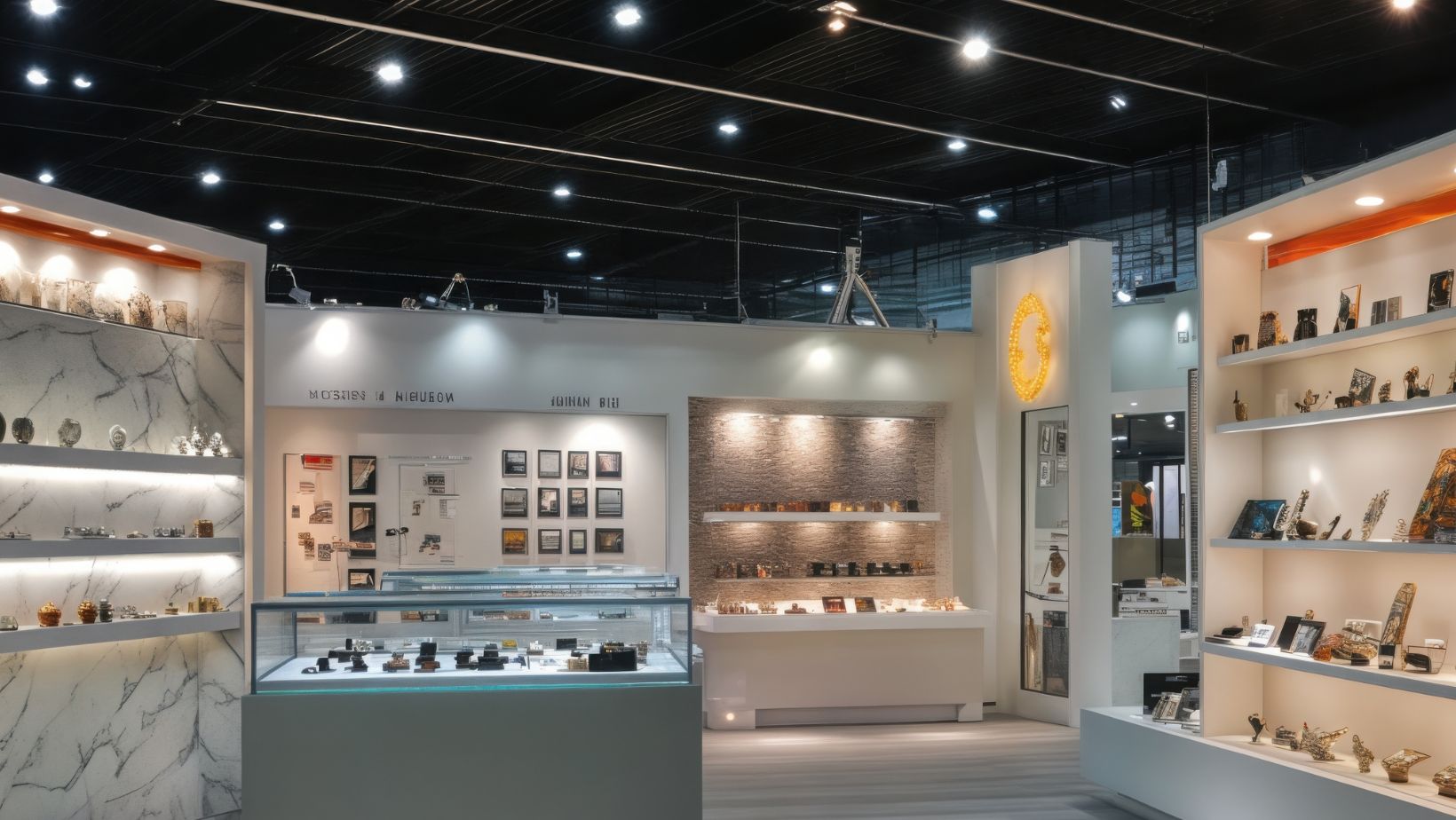
The role of light in marketing and design is evolving at a rapid pace. Once confined to the glow of neon signs and basic spotlights, illumination has become a sophisticated tool for engagement across various platforms. From retail windows to event halls, well-placed lighting not only attracts attention but also enhances emotional responses, making it an invaluable asset in commercial spaces.
The Power of Light in Retail
Lighting is often the unsung hero of retail design. A well-lit window display can draw shoppers in, creating an inviting atmosphere that encourages foot traffic. The combination of natural light and ambient illumination can highlight merchandise effectively, making the shopping experience more enjoyable.
When you think about how modern illuminated marketing features can redefine a retail space, consider the advent of LED technology. Unlike traditional bulbs, LED lights are versatile, energy-efficient, and capable of displaying vibrant colours. Their flexibility allows retailers to experiment with dynamic displays that change according to time of day or seasonal trends. This not only engages customers but also enhances brand identity and storytelling.
Imagine walking past a store that utilises a series of brightly lit, animated LED displays. The colours shift and change based on what’s trending, or perhaps illuminating seasonal offerings. Such displays don’t merely serve to inform; they create an experience that is immersive and engaging. Customers are more likely to enter a store that captivates them visually, demonstrating the undeniable power of strategic lighting in retail environments.
Transforming Events with Illumination
Moving beyond retail, considerations for illumination extend into the realm of event planning. Trade shows, conventions, and corporate events benefit immensely from well-thought-out lighting strategies. In this context, light serves multiple purposes: guiding attendees, creating atmosphere, and showcasing key messages or products.
In vast event halls where competition for attention is fierce, strategic lighting can make or break engagement. Think about it: An exhibitor utilising a well-lit booth, with LED strips framing their displays, not only looks appealing but also guides visitors through the space. By creating a visual path, lighting can encourage foot traffic, leading to greater brand exposure.
Incorporating LED screens or lightboxes at events can further elevate a brand’s presence. These modern illuminated marketing features are not just eye-catching; they can be programmed to display dynamic content, ensuring discussions remain relevant and timely. Switching from promotional material to social media feeds, these displays keep the engagement momentum going, making the environment lively and interactive.
The Emotional Impact of Light
It’s important to acknowledge that lighting impacts emotional responses too. According to psychological studies, bright environments tend to instil feelings of happiness and energy, while softer, warmer lighting creates a sense of calm and intimacy. Understanding these emotional triggers can significantly inform how spaces are designed.
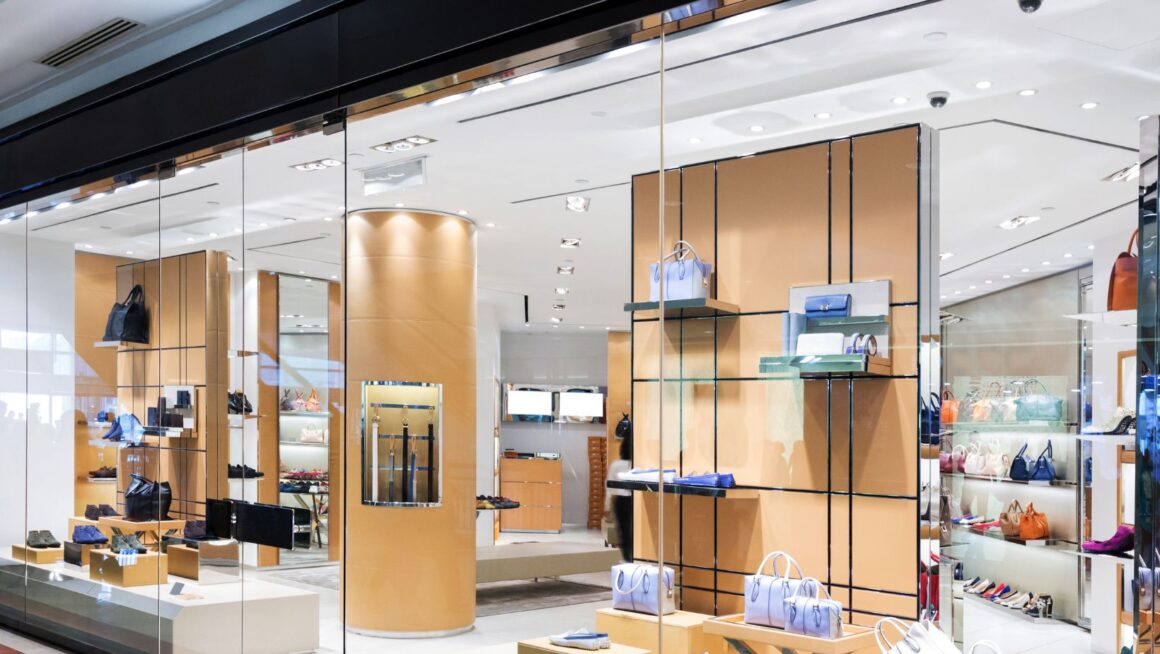
For example, consider a coffee shop. The strategic use of soft, warm lighting can create a cozy atmosphere that encourages customers to linger longer, leading to increased sales from additional purchases. Conversely, a retail space selling activewear may benefit from bright, invigorating lighting that inspires a sense of energy and motivation. Tailoring the lighting to fit the desired customer experience is a crucial step in driving engagement.
Challenges and Solutions
While the advantages of using light as a marketing tool are manifold, challenges do arise. One of the most significant hurdles is the initial investment. Quality lighting systems, particularly those integrated with smart technology, can be expensive. However, this expense often pays off in terms of increased customer engagement and sales. Business owners should think of it as an investment in their brand narrative, not a mere operational cost.
Another challenge is ensuring that the chosen lighting enhances rather than detracts from the overall aesthetic. Overly bright or poorly placed lights can create uncomfortable experiences, counteracting the intended effect. It’s beneficial to collaborate with design specialists who understand both the technical and aesthetic aspects of lighting. This ensures the final result aligns with the brand’s identity and goals.
Conclusion
As we consider the transformative power of light in driving engagement, it is evident that intelligent illumination can act as a bridge between brands and consumers. Whether through captivating window displays in retail or dynamic installations at event halls, lighting is a multifaceted tool that can shape experiences and influence perceptions.
Ultimately, the ability to adapt lighting to fit specific settings and audiences will be paramount in the future of marketing. By harnessing innovative technologies, brands can create engaging environments that not only attract attention but also foster lasting connections with their customers. So, whether you’re a retailer reimagining your window displays or an event planner seeking to captivate attendees, consider how light can be your silent yet powerful partner. The possibilities are bright, and the rewards are substantial.
