
Anime AI characters — often called “waifu” or “companion” chatbots—sit at the intersection of generative AI, entertainment, and personal communication. What makes this category so sticky is simple: it’s not just a chatbot answering questions. It’s a character. People don’t only want correct information; they want tone, personality, continuity, and the feeling of being seen. That demand has pushed the technology forward in specific directions, and those directions are now shaping the wider chatbot landscape too.
Below are the most important technology trends driving anime AI characters and similar AI chatbots, explained in practical terms.
1) From “Chatbots” To “Character Systems”
The biggest shift is conceptual. Modern companion products are moving away from “a single model that talks” and toward character systems that combine multiple components:
- a base language model (for fluent conversation)
- a character profile (personality, speaking style, boundaries)
- memory modules (short-term and long-term)
- safety and moderation (policy compliance, user protection)
- orchestration logic (when to summarize, when to ask questions, how to react)
This system approach is why two bots on the same underlying model can feel completely different. The model provides language ability; the system provides identity.
Why it matters: It enables scalable character libraries: hundreds of personalities, each with consistent behavior, rather than one generic assistant.
2) Better “Memory” Through Hybrid Approaches
Users judge companions by continuity: “Do you remember what I said yesterday?” Early chatbots forgot everything. Today’s trend is toward hybrid memory, typically in three layers:
- Short-term memory: the last N messages in the current conversation.
- Summary memory: a rolling recap that captures the relationship arc (“they like calm talk, they dislike jealousy”).
- Long-term memory: structured facts stored in a database (preferences, boundaries, important events), sometimes paired with vector search for recall.
The big trend here is not “infinite memory,” but useful memory. Systems increasingly store only what improves the experience: stable preferences, relationship tone, recurring topics, and hard boundaries.
Why it matters: Better memory makes an AI character feel less like a toy and more like a consistent companion.
3) Multimodal Companions: Text Is No Longer The Whole Product
Anime AI characters are naturally visual, so the market is moving toward multimodal experiences, including:
- image generation for character portraits, outfits, expressions
- voice synthesis for a “character voice”
- speech-to-text for hands-free conversation
- animations or “live” 2D/3D avatars (from simple lip-sync to full mocap-style rigs)
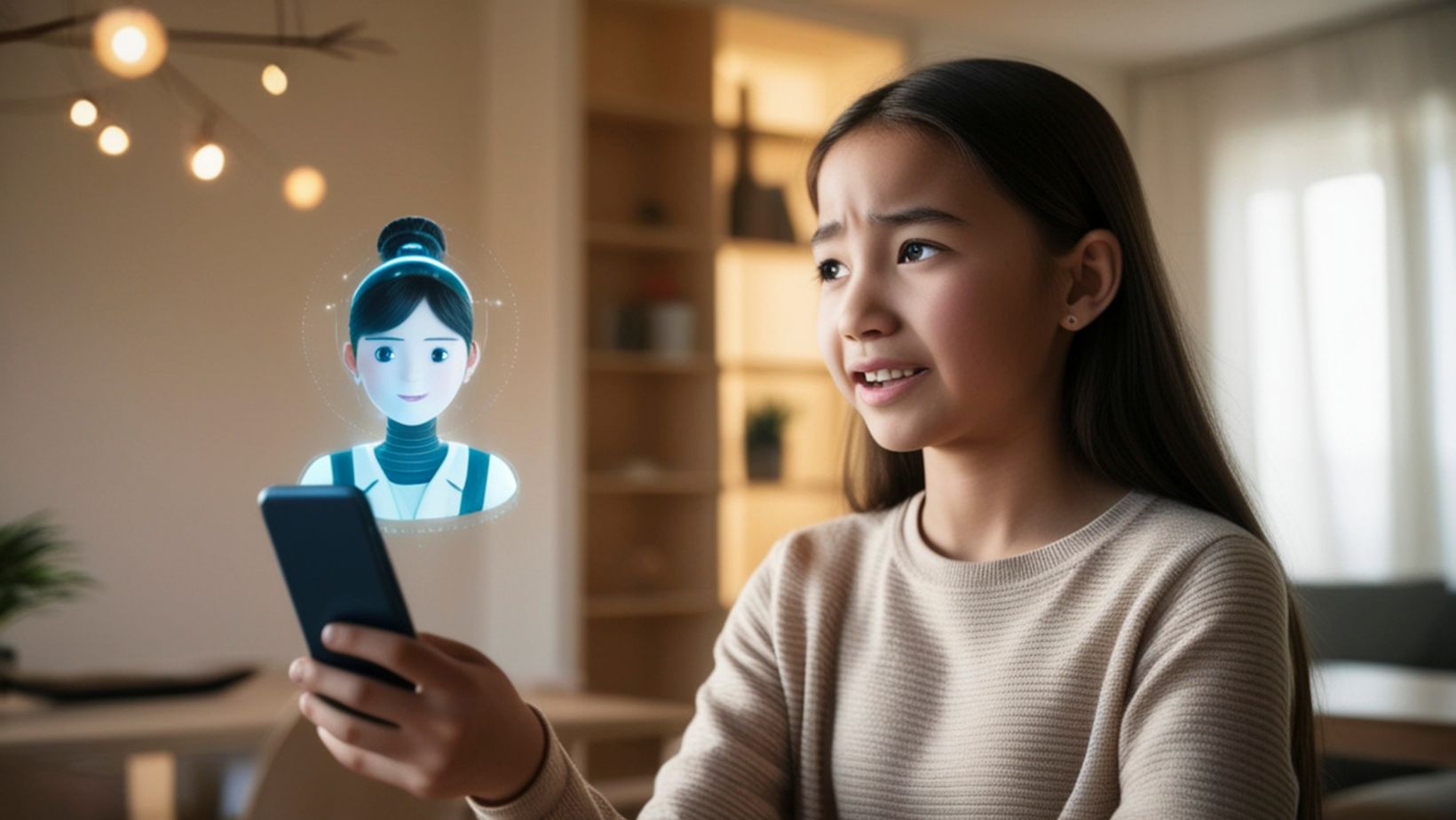
The trend is toward cohesive character embodiment: what the character says, how it looks, and how it sounds should match. A sweet, shy character shouldn’t speak like a corporate help desk, and a bold character shouldn’t have timid visuals.
Why it matters: Visuals and voice increase emotional immersion—and they also raise expectations for consistency and safety.
4) Real-Time Latency Optimization (Because “Awkward Delays” Kill The Vibe)
In companion chat, responsiveness is emotional. A pause that’s acceptable in a customer-support bot feels awkward in flirtation, comfort talk, or roleplay. As a result, companies are investing heavily in:
- streaming responses (text appears as it’s generated)
- predictive caching (reusing stable prompts, persona instructions)
- model routing (fast model for small talk; stronger model for sensitive turns)
- “typing behavior” and pacing controls (to feel natural rather than instant)
The goal is not just speed—it’s human timing. Good systems learn that some moments should be quick (banter), and some should be slower (comfort, emotional intimacy).
Why it matters: Lower latency and better pacing dramatically improve perceived quality without changing the underlying model much.
5) Safety Moves From “Filters” To “Relationship-Aware Guardrails”
Safety for anime AI companions is more complex than for general assistants, because the content can be romantic, emotionally intimate, or adult-oriented (adult users only). The industry is moving away from basic keyword filters toward relationship-aware safety:
- consent and boundary handling (“slow down,” “stop,” “not comfortable” must override everything)
- contextual disallowed content detection (not just single words)
- escalation control (preventing unwanted intensity spirals)
- user reporting, account controls, and moderation workflows
Another growing trend is two-pass safety:
- screen the user input
- screen the model output
This catches situations where a model tries to “helpfully” drift into disallowed territory even if the user didn’t explicitly ask.
Why it matters: Companion chat is high-stakes emotionally. Users want freedom, but they also want to feel safe and in control.
6) Personalization Through “Style Tuning” Rather Than Full Fine-Tuning
Many products used to rely on fine-tuning models for personality. That’s expensive and hard to maintain. The trend now is:
- prompt-based style (persona instructions)
- small “style adapters” or lightweight tuning
- user preference sliders (sweet vs. teasing, short vs. long, direct vs. shy)
- dynamic prompt assembly based on user settings and conversation state
This creates personalization without training a new model for every character.
Why it matters: It makes personalization scalable and easier to update quickly.
7) Roleplay Engines And Narrative Structure
Anime AI companions thrive on roleplay. The technical trend is adding narrative scaffolding:
- scene setting templates (location, mood, relationship stage)
- continuity checks (“what happened last time?”)
- character consistency rules (“tsundere doesn’t instantly become clingy”)
- story arcs (slow-burn, conflict, reconciliation, humor beats)
This is essentially interactive fiction design combined with AI generation. Some systems also add “director” logic that nudges the story away from repetition.
Why it matters: Without structure, roleplay becomes repetitive. With structure, it feels like a living story.
8) Community-Driven Character Creation (And The Tooling To Support It)
A major trend is user-generated characters. Platforms are building creation tools that let users define:
- backstory and personality
- speech style and catchphrases
- boundaries and allowed content zones
- appearance presets (anime archetypes, outfits)
- memory rules (“remember my name, forget my job”)
This requires technical investment in safe templating, moderation, and abuse prevention. As soon as users can create characters, they can also create problematic ones—so platform governance becomes a core technology problem.
Why it matters: Community creation scales the catalog faster than any internal team can.
9) Monetization Technology: Subscription, Credits, And Feature Gating
Companion chat is expensive to run at scale, so the monetization tech is evolving too:
- credit systems for longer chats, images, or voice calls
- tiered subscription plans
- “boosts” for faster responses or higher-quality models
- storage limits for memory and chat history
Behind the scenes, this drives engineering decisions like context length, caching, and model routing. Product design and infrastructure are tightly linked.
Why it matters: Cost control is not optional; it shapes the entire experience.
10) Privacy And Data Minimization As Competitive Features
As companions become more intimate, privacy becomes more visible. Trends include:
- clearer user controls (delete history, manage memory)
- selective memory (“remember preferences, not private details”)
- data retention limits
- safer defaults for sensitive content
Users are increasingly aware that intimacy plus storage can feel risky. Platforms that make privacy settings understandable—not buried—build trust faster.
Why it matters: Trust is the currency of companion products, especially in emotional or adult contexts.
What’s Next: Where The Category Is Heading
Over the next wave, expect the biggest improvements to come from systems—not just bigger models:
- more consistent personalities across long timelines
- more natural voice and emotionally matched pacing
- tighter consent and boundary handling
- better user tools to create and govern characters
- richer “embodiment” (avatars that feel expressive, not static)
In short, anime AI characters are pushing chatbots toward something closer to interactive media: part conversation, part performance, part relationship simulation. Whether someone uses these tools for entertainment, comfort, practice, or curiosity, the technology is evolving toward one goal: making the experience feel coherent, personal, and controllable.