
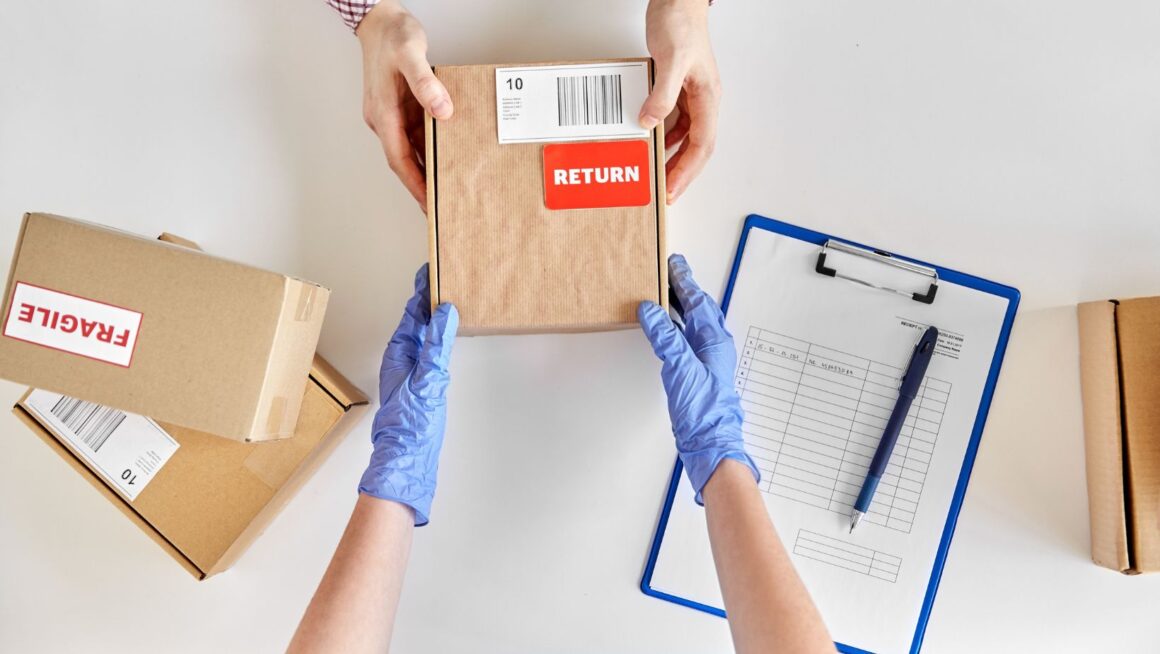
Online shopping may have simplified lives for consumers, but for a retailer, it has opportunistically elevated product returns into its largest concern. Handling product returns can involve many processes right from managing the product for returns, the refund process, and even managing queries about the product return for refunds. However, some visionary retailers are now identifying product returns as a challenge that can be transformed into a golden opportunity.
The brands that handle returns well tend to stand out. They respond faster, communicate more clearly, and reduce friction at every step. This is where store returns automation becomes a game-changer, helping businesses replace manual, error-prone workflows with smart systems that work quietly in the background while teams focus on growth.
Why Returns Matter More Than Ever
Return statistics have gradually, but steadily, increased over the years, and this is especially true for online shopping. Return policy flexibility, speedy refunds, and easy instructions are what customers are looking for. Failure to do these can quickly lead to disgruntled customers who won’t return.
On the other hand, a seamless return process can actually help build trust. Many consumers feel that a quick and fair return process has actually made them more comfortable with return business with that particular brand. The reality is returns aren’t transactional anymore, they’re now a part of the overall journey that consumers are taking.
The Hidden Costs of Manual Return Processes
Many businesses still manage returns using spreadsheets, inboxes, and disconnected tools. While this might work at a small scale, it quickly becomes unsustainable as order volume grows.
Manual return handling often leads to:
- Slower refund processing
- Inconsistent communication with customers
- Lost or misclassified returned items
- Higher support workloads
- Increased operational costs
Worse, these issues are usually invisible until customers start complaining or leaving negative reviews.
How Automation Changes the Game
This makes the return process less painful for customers and in-house teams. Customers will no longer have to deal with manual return processes, while in-house teams will also have less manual work when it comes to implementing return policies.
For teams that handle operations, it indicates fewer repetitive processes. For customers, it indicates clarity, speed, and assurance that their problem is being processed following the right procedures.
Real-Life Example: From Chaos to Control
Consider a mid-sized fashion retailer dealing with thousands of monthly returns. Customer service agents were overwhelmed, refunds were delayed, and inventory data was often inaccurate. After implementing an automated returns workflow, the brand reduced refund times from days to hours and cut support tickets nearly in half.

Even more valuable? They gained insight into why products were being returned sizing issues, misleading photos, or shipping damage allowing them to fix problems upstream and reduce future returns.
Key Benefits Businesses Actually Feel
Automation isn’t just about efficiency it delivers tangible improvements across the business:
- Faster refunds that boost customer satisfaction
- Lower support costs by reducing manual inquiries
- Better inventory accuracy with real-time updates
- Actionable insights into product and fulfillment issues
- Scalability without hiring additional staff
These benefits compound over time, especially for growing ecommerce brands.
Practical Tips Before You Automate
Before jumping in, it’s worth taking a step back and evaluating your current process. Ask yourself:
- Where do delays usually happen?
- Which steps are repeated most often?
- What questions do customers ask again and again?
Start by automating the most time-consuming tasks first, then expand gradually. Clear communication, simple return rules, and transparent tracking matter just as much as the technology behind them.
Automation Doesn’t Replace the Human Touch
One common fear is that automation makes the experience feel cold or impersonal. In reality, the opposite is often true. When systems handle the routine work, customer support teams have more time to deal with complex or emotional cases where empathy truly matters.
Automation should support people not replace them.
Looking Ahead
As ecommerce continues to grow, returns will only become more common. Businesses that treat returns as a strategic function not an afterthought will be better positioned to compete. By streamlining operations, learning from return data, and prioritizing customer experience, brands can turn a traditionally painful process into a source of trust and loyalty.
