

Facial recognition technology (FRT) has emerged as a controversial tool in the modern landscape of security and surveillance. Proponents tout its efficacy in crime prevention and public safety, while critics raise alarm bells about privacy infringements and potential misuse. As this technology becomes increasingly integrated into our daily lives, exploring the ethical dimensions behind its deployment in public spaces is crucial.
Understanding Facial Recognition Technology
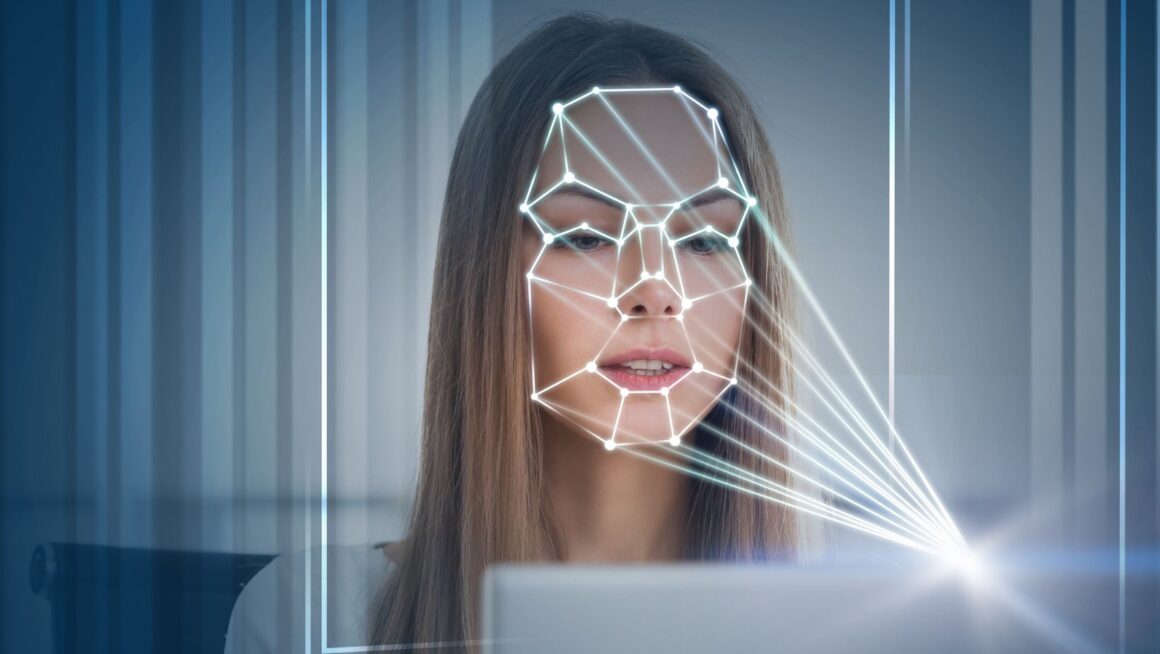
At its core, facial recognition technology uses artificial intelligence algorithms to identify individuals by analyzing facial features from images or video feeds. This data can be cross-referenced with databases, often in real-time, allowing for swift identification and tracking. Its application has garnered significant attention in law enforcement, particularly in regions like the UK, where police agencies leverage biometric tools to enhance public safety measures. As such, understanding how police agencies apply biometric tools is essential for grasping the implications of FRT in society.
Privacy Concerns
One of the most pressing ethical concerns around facial recognition in public spaces is privacy. Unlike other forms of surveillance, facial recognition allows for the continuous and often covert monitoring of individuals without their consent. This poses the question: To what extent are we willing to sacrifice personal privacy in the name of enhanced security?
Privacy advocates argue that constant surveillance creates a chilling effect, inhibiting individuals from expressing themselves freely. The ability to track movements and behaviors without knowledge can lead to self-censorship, conflicting with democratic ideals of freedom and autonomy. Moreover, these concerns are not merely theoretical. There have been numerous cases where misuse of FRT led to wrongful accusations and arrests, illustrating the potential dangers entwined with reliance on this technology.
The Risk of Bias
Another critical ethical issue is the risk of bias inherent in facial recognition systems. Various studies, including those conducted by the National Institute of Standards and Technology (NIST), have shown that these systems may exhibit racial and gender biases. For example, individuals from marginalized communities may be disproportionately misidentified or incorrectly categorized by these algorithms, leading to racist profiling and potential discrimination.
Such disparities highlight the ethical obligation for transparency in the development and deployment of facial recognition tools. Organizations must ensure that the datasets used to train these systems are representative and inclusive. Furthermore, ongoing audits and reviews should be in place to assess the performance of these technologies in real-world situations, providing an accountability mechanism for law enforcement.
The Balancing Act: Security vs. Civil Liberties
The deployment of facial recognition technology in public spaces fundamentally presents a balancing act—between the imperative for enhanced security and the preservation of civil liberties. The justification of security needs can sometimes lead governing bodies to overlook potential ethical breaches.
Indeed, FRT has been justified as an essential tool for public safety. For instance, during large public events, such as concerts or sporting events, the ability to identify potential threats quickly can be invaluable. However, the question remains: How can we ensure that these systems are not abused for broadly defined “public safety” concerns that overreach into the domain of civil liberties?
Legislative frameworks governing the use of facial recognition technology vary significantly across regions and contexts. Some cities and countries have recognized these ethical dilemmas, instituting moratoriums on facial recognition use or implementing strict regulations. These steps not only safeguard citizens’ rights but also foster a broader public discourse on the acceptable application of emerging technologies.
The Role of Public Discourse
An essential aspect of addressing the ethical implications of facial recognition in public spaces lies in fostering informed public discourse. Citizens should have the opportunity to engage critically with this technology and understand both its benefits and drawbacks. Educational campaigns can demystify the workings of facial recognition and elucidate its implications on society, personal privacy, and civil rights.
Public forums, town hall meetings, and community engagements can serve as platforms for discussion. Such dialogues not only empower citizens but also hold governing bodies accountable. Affected communities should have a seat at the table in decisions that impact their lives, ensuring that a diverse range of voices is heard.
Navigating the Future
As facial recognition technology continues to evolve, it will prompt ongoing ethical considerations. Stakeholders—including technology developers, law enforcement, policymakers, and the public—must engage collaboratively to shape its future. Establishing ethical guidelines that prioritize transparency, accountability, and inclusivity will be key to navigating this evolving landscape.
Moreover, as advancements in artificial intelligence develop, it will be critical to consider the implications of these innovations on facial recognition and the ethical framework surrounding them. The commitment to continuous evaluation and adaptation of policies around FRT will be imperative in preventing misuse while harnessing its potential for good.
Conclusion
The deployment of facial recognition technology in public spaces brings forth multifaceted ethical challenges that society must navigate thoughtfully. While the promise for enhanced security is real, we must remain vigilant to safeguard our civil liberties and uphold core democratic values. Through informed public discourse and proactive policymaking, it is possible to create a framework that allows for the responsible and ethical use of facial recognition, ensuring that advancements in technology serve society without compromising individual rights.
As we move forward, the conversation must extend beyond mere implementation; it should encompass a vision for a society where technology empowers rather than enclaves—where safety and ethics coexist.
