
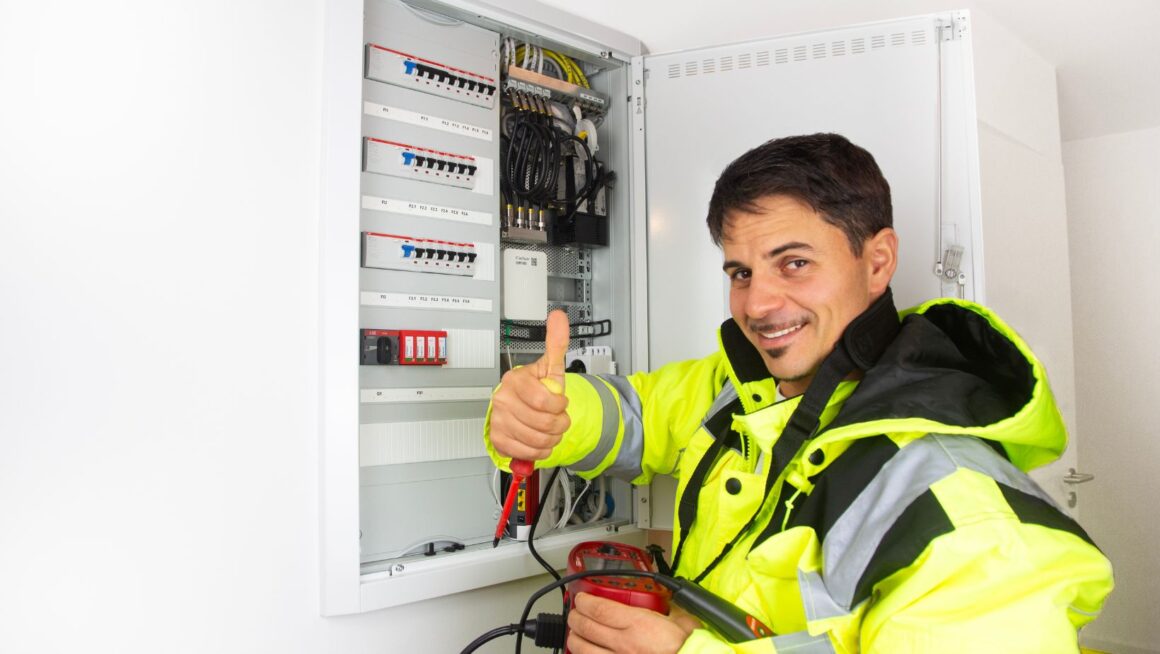
Electricity has become the backbone of modern living. From essential household appliances to work-from-home setups and entertainment systems, nearly every aspect of daily life depends on stable and reliable power. However, many people underestimate how vulnerable their electronics are to sudden electrical disturbances. These disturbances may be brief, but the damage they cause can be permanent and costly.
Understanding electrical safety and protection is no longer just a concern for technicians or engineers—it’s a necessity for every homeowner and business operator.
The Growing Dependence on Sensitive Electronics
Today’s devices are far more advanced than those of the past, but they are also more sensitive. Smart TVs, laptops, routers, gaming consoles, and even kitchen appliances rely on delicate internal circuits. These components are designed to work within specific electrical limits, and even minor fluctuations can gradually degrade their performance.
As homes become smarter and more connected, the number of devices plugged in at any given time continues to increase. This creates a higher risk exposure when electrical irregularities occur.
What Causes Electrical Disturbances?
Electrical disturbances can originate from both external and internal sources. Weather-related events such as lightning storms or heavy winds can affect power lines and transformers. Utility grid switching, maintenance work, or faults in the supply network may also lead to temporary spikes or drops in voltage.
Inside the home, high-power appliances like air conditioners, refrigerators, and washing machines can cause brief surges when they turn on or off. Faulty wiring, loose connections, or outdated electrical systems further increase the likelihood of unstable power flow.
These issues often go unnoticed until a device stops working, which is why preventive measures are so important.
Why Protection Matters More Than Repairs
Repairing or replacing damaged electronics is often expensive and inconvenient. In many cases, damage caused by electrical spikes isn’t immediately visible. A device may continue working but fail prematurely months later due to internal stress caused by repeated voltage irregularities.
Preventive protection acts as a financial safeguard. It reduces unexpected expenses, minimizes downtime, and protects valuable data stored on computers and external drives. For businesses, this can mean avoiding productivity loss and maintaining operational continuity.
Choosing the Right Protective Solution
Not all electrical protection solutions are the same. Some are designed for individual devices, while others provide broader coverage. The key is to assess your usage patterns and identify which equipment requires the highest level of protection.
For example, home offices with computers, printers, and networking equipment benefit from dedicated protection at the point of use. Entertainment systems with multiple connected devices also require stable power to function optimally.
A properly rated power surge protector helps absorb excess voltage and safely redirect it away from connected equipment, reducing the risk of damage during sudden electrical events.
Installation and Placement Considerations
Correct placement plays a major role in effectiveness. Protective devices should be installed as close as possible to the equipment they are meant to safeguard. In some cases, layered protection is recommended—combining localized protection with broader electrical safeguards at the main distribution board.
It’s also important to avoid common mistakes such as overloading power strips or connecting multiple extension devices together. These practices can increase heat buildup and reduce overall safety.
If you’re unsure about installation or capacity requirements, consulting a licensed electrician is always a wise decision.
Maintenance and Monitoring
Electrical protection devices are not “set and forget” solutions. Over time, their internal components can wear out, especially in areas with frequent power fluctuations. Many modern products include indicator lights that signal whether protection is still active.
Regularly checking these indicators and replacing worn-out units ensures ongoing safety. Periodic inspections of wiring, outlets, and power connections also help maintain a stable electrical environment.
Developing Safer Electrical Habits
While protective equipment plays a crucial role, daily habits also matter. Simple practices such as unplugging devices during severe storms, avoiding damaged cables, and not forcing plugs into loose outlets can significantly reduce risks.
Educating family members or employees about basic electrical safety creates a shared responsibility and lowers the chances of accidental damage.

Long-Term Benefits of Electrical Preparedness
Homes and workplaces that prioritize electrical protection experience fewer disruptions and longer-lasting equipment. Devices operate more efficiently, maintenance costs decrease, and overall safety improves.
In addition, well-protected electrical systems can enhance property value and appeal, particularly in environments where power stability is a known concern.
Final Thoughts
Electrical issues often strike without warning, but their impact can be minimized with the right preparation. As reliance on electronic devices continues to grow, taking steps to protect them becomes a practical investment rather than an optional upgrade.
By understanding potential risks, choosing appropriate protective solutions, and maintaining safe electrical practices, you can create a more resilient environment—one that supports your technology, protects your finances, and offers peace of mind for years to come.