
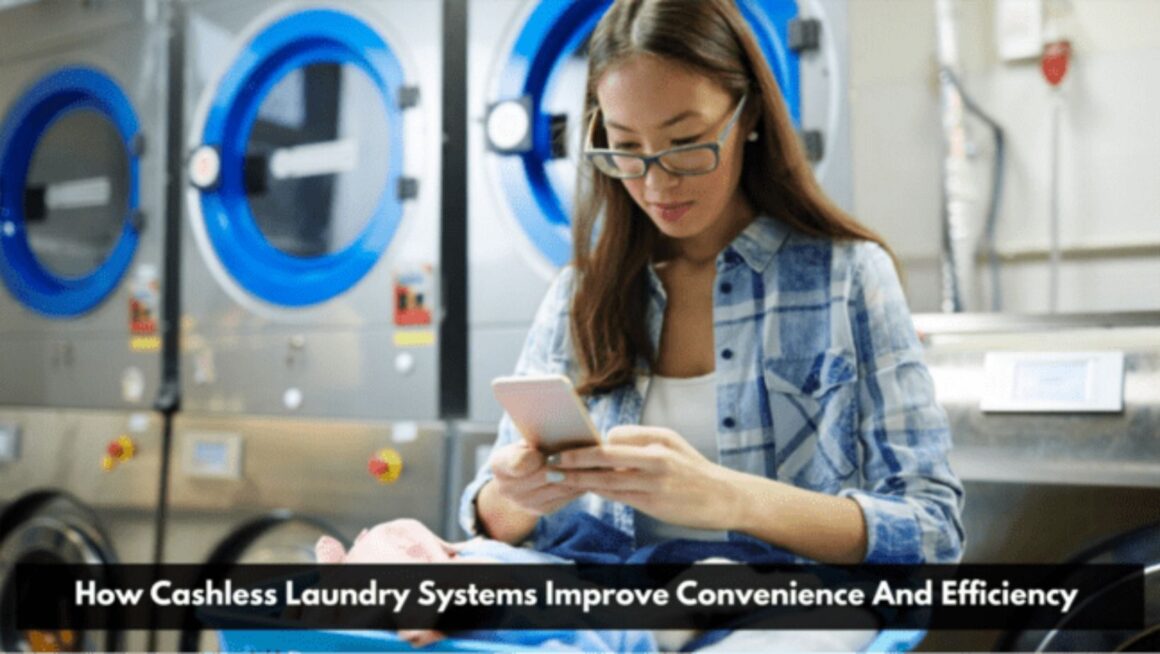
The laundry business is currently undergoing a gradual shift toward digitalization as the expectations of customers and the nature of operations are becoming increasingly dynamic.
Previously, coin-operated machines defined how laundromats and common laundry rooms operated. Nonetheless, the use of physical cash usually posed delays, manual labor, and limited visibility into the performance of the business.
In the modern scenario, this conventional model is changing with the emergence of digital payment technologies. Laundry facilities are becoming very organized and receptive by combining contactless transactions and centralized management platforms. Customers can make payments rapidly with the familiar electronic options, and operators receive access to automated reporting and performance. This transition is not just a replacement of coins with cards, but it restructures the whole system.
To understand this transformation clearly, it is necessary to discuss how cashless laundry systems enhance convenience and efficiency.
1. Digital Payments Simplify and Accelerate the Laundry Process

Cashless laundry systems enhance convenience by eliminating the reliance on coins. Customers no longer have to look for change or use coin machines to start a wash. Instead, they can use credit cards, debit cards, or mobile wallets, which align with current spending patterns.
Moreover, contactless technology enables consumers to make transactions within seconds. The machine is activated by a single press or scan. This quicker process cuts down the waiting time, especially in busy places like residential complexes and university residential houses.
Furthermore, online payment interfaces are designed to be easy to use and simple. The customers are guided by clear instructions and easy prompts through each step. Consequently, the entire laundry process gets easier and more predictable, decreasing stress and wasting time.
2. Eliminating Cash Handling Streamlines Daily Operations
The conventional coin-operated machines need frequent collection, counting, and cash deposits. These repetitive activities require time and close monitoring. When switching to digital payments, laundry businesses automate the process of recording transactions and minimize the necessity of manual financial balancing and verification.
Additionally, eliminating physical cash in machines changes the operational workflow. One does not need to visit the sites as often to empty the coin boxes. This enables employees to work on maintenance, cleanliness, and customer service rather than cash management.
Furthermore, electronic records can offer real-time sales visibility. Rather than using physical audits, operators can review accurate transaction data using a centralized system. This systematized process enhances the smoothness of the internal structure and minimizes administrative complexity.
3. Real-Time Monitoring Enhances Operational Visibility

Cashless laundry systems are normally linked to cloud-based management systems. These platforms capture information on every machine and display it in real time. Consequently, operators can track usage rates, revenue rates, and equipment status without necessarily being physically present.
This continuous flow of information helps to make decisions faster. For example, when a machine breaks down, the system can produce a notification. This allows operators to fix the problem immediately rather than finding it during a periodic check-up.
In addition, real-time reporting assists in determining patterns in customer usage. Understanding the peak time and demand of a machine enables the operators to better schedule maintenance of the machine. This proactive supervision reduces the period of downtime and ensures operations continue to run smoothly.
4. Flexible Pricing and Engagement Tools Improve Revenue Flow
Digital systems enable the modulation of prices to be made directly through software. The operators may change rates, implement special pricing times, or set various cycle choices, which do not require any physical alteration of each machine. This adaptability allows making the business model more responsive.
Simultaneously, the use of integrated engagement tools facilitates planned customer interaction. With this, promotional incentives, such as promotion credits or bonus programs, can be done digitally. These plans are automatically managed in the payment system, reducing the need for manual tracking.
Moreover, transaction data also provides insights into the buying patterns. By reviewing detailed reports, operators can optimize pricing approaches based on actual usage trends. Such a data-driven process enhances financial planning and also increases overall operational efficiency. It also helps identify peak usage times, allowing better allocation of resources and improved customer service.
5. Centralized Data and Automation Strengthen Business Control
Cashless laundry systems collect and organize operational data within one unified digital platform. Detailed sales reports, machine activity records, and complete transaction histories are securely stored and available whenever needed. This centralized access gives operators a clearer view of daily performance and simplifies overall supervision.
Automation also strengthens financial accuracy. Because every transaction is recorded electronically, errors linked to manual cash counting are significantly reduced. More dependable financial data supports better budgeting decisions and long-term planning.
In addition, centralized management platforms allow operators to oversee multiple locations through a single interface. Pricing adjustments, performance tracking, and reporting can be managed remotely, improving coordination, saving time, and maintaining consistent service standards across all facilities.
Conclusion
Cashless laundry systems change how laundry facilities work by using digital payments and smart management tools. Operators can easily track machine use, monitor performance, and manage transactions all in one system. This makes daily operations simpler, more organized, and easier to manage.
For customers, paying for laundry becomes fast and easy, matching the way people use digital payments today. Operators can also keep better control of their business and plan for growth. These systems make laundry facilities more reliable and flexible, helping them run smoothly and meet the needs of modern customers while staying competitive.