
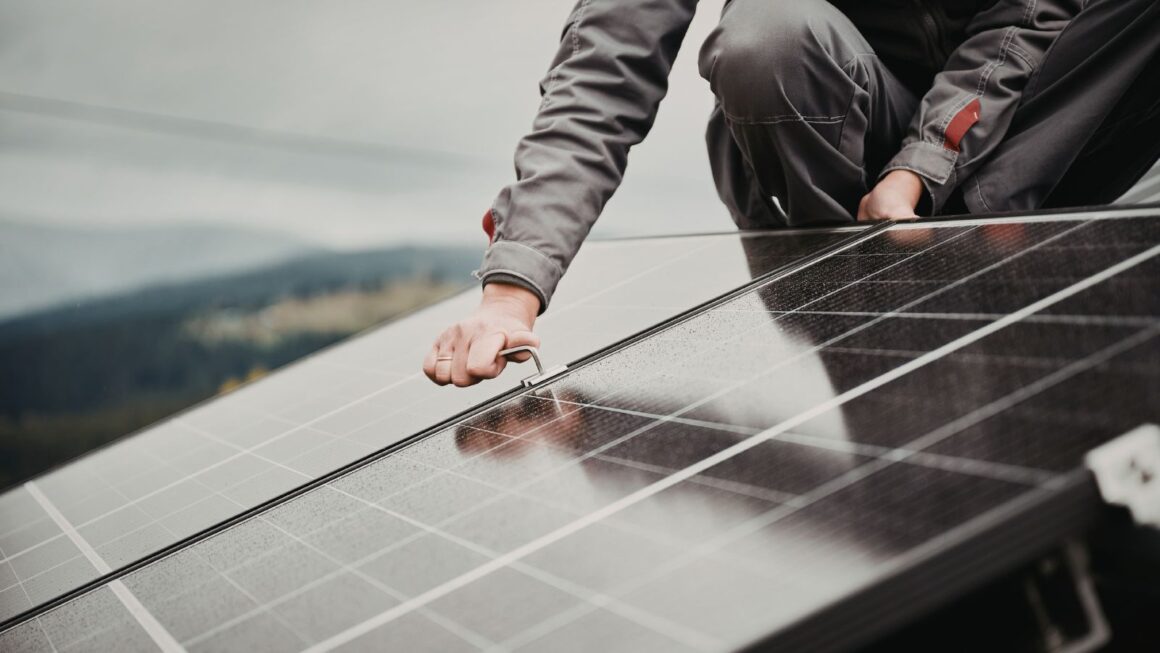
Solar panels can be recycled, though only 10% actually make it through the recycling process. Hazardous materials can leach into soil and water due to improper disposal.
Some positive news exists. The maturing industry has made solar panel recycling methods more effective. Experts predict solar panels will generate 60-78 million metric tons of waste globally by 2050.
Learning to recycle solar panels responsibly isn’t just good practice; it’s essential. Certified recycling processes keep toxic materials like lead and cadmium from contaminating our environment.
You’ll learn to identify end-of-life panels and find Solar Recycling facilities in your area. Your green energy choice should stay green from start to finish!
How to Recycle Solar Panels the Right Way
The transformation of an old solar panel into recycled materials isn’t as mysterious as you might think. A clear understanding of this process helps us make better decisions about our aging solar systems.
Step-By-Step Recycling Process
Your panels start their trip at a specialized recycling facility. Here’s what happens next:
- Initial inspection and dismantling – The core team removes the aluminum frame and junction box first. Standard processes can recycle these parts immediately.
- Separation process – The panel goes through one of three main methods:
- Mechanical separation: equipment shreds and crushes panels, then sorts the materials.
- Thermal processing – Heat at approximately 500°C burns off adhesives and plastic components to separate materials easily.
- Chemical treatment – Solvents break down the encapsulant layer to separate components cleanly.
- Material extraction – Advanced facilities combine these approaches to maximize recovery. To name just one example, mechanical systems handle the breakdown while chemical treatments purify materials to meet manufacturing standards.
Quality recyclers use multiple steps in their process. SOLARCYCLE’s method has sections for removing external components, separating glass from the solar laminate, and processing remaining materials through their unique methods.
What Materials Can Be Recovered
Old panels are full of valuable resources. Modern recycling technologies can recover:
- Glass – This material makes up about 75% of a panel’s weight and achieves 90-95% recovery rates.
- Aluminum – Panel frames reach similar 95% recovery rates.
- Silicon – Current technologies recover 80-85% of this key solar cell component.
- Metals – Specialized processes extract over 90% of valuable copper wiring and silver contacts[221].
- Plastics and polymers – Recovery rates reach 70-80%, though these materials present more challenges.
The economics remain challenging. Panel recycling costs about $20 USD, while recovered materials are worth only $10-$12 USD. Notwithstanding that, this gap should narrow as technologies improve and regulations evolve.
How Do You Recycle Solar Panels Locally
Local recycling options exist, though finding them needs some research.
Several resources can help:
- Your original installer should be your first contact. Many solar companies have take-back programs or mutually beneficial alliances with recycling facilities.
- Manufacturers often help too. Several companies run recycling initiatives to help customers dispose of old panels properly.
- Specialized recyclers like Solar Recycling provide nationwide services with advanced material recovery capabilities.
- The Environmental Protection Agency suggests checking these resources for government-verified options:
- Department of Energy Solar Energy Technologies Office recycling map
- Earth911’s recycling directory
- Solar Energy Industries Association (SEIA) recycling partners
Recycling properly now helps you remain competitive. The U.S. Department of Energy released a five-year strategy to create safe, responsible, and economical end-of-life practices for solar panels, backed by $20 USD million through the Bipartisan Infrastructure Law.
Certified Solar Panel Recycling: What to Look For
Using any random recycler for your solar panels could cause problems. Many recycling services don’t follow proper protocols, which goes against responsible disposal practices.
What Makes A Recycler Certified
A facility needs to show it follows strict standards to get certified for solar panel recycling. The R2v3 (Responsible Recycling version 3) is now the top global standard for electronics recycling, including solar panels. Solar panels weren’t part of this certification initially.
Industry stakeholders approached SERI (Sustainable Electronics Recycling International) in 2018-2019, and solar panels became official through Appendix G in January 2024.
R2v3 certification requires facilities to show:
- Following environmental rules (no landfill dumping)
- Worker health and safety protections
- Secure downstream material tracking
- Documented recycling outcomes
- Audited processes and transparency
These other certifications matter too:
- ISO 9001: Sets up quality management systems for consistent service
- ISO 14001: Deals with environmental management systems
- ISO 45001: Covers workplace health and safety management
The Solar Energy Industries Association created its National PV Recycling Program in 2016. This program adds another layer of industry-specific certification through its network of qualified providers.

Benefits Of Certified Recycling
Working with certified recyclers makes a meaningful difference when handling used solar panels. Providers like Solar Recycling follow established standards to maximize material recovery while minimizing waste.
Their controlled processes and environmental safeguards help prevent contamination, ensuring panels are recycled responsibly and in line with best practices.
Businesses see real benefits from certified recycling:
- Cost savings: Recycling old panel components into new ones saves money on raw materials
- Better reputation: Companies gain an edge as customers prefer environmental responsibility
- Legal protection: Following certified recycling practices prevents fines and legal issues by meeting all waste disposal laws
Homeowners get peace of mind as their main benefit. They can stay true to their environmental values, knowing their panels won’t harm nature throughout their entire lifecycle.
How To Verify A Recycler’s Credentials
Finding a certified recycler is straightforward. Ask potential recyclers directly: “Are you R2v3 certified?” Legitimate certified recyclers will readily show their certification documents.
You can check SERI’s directory to verify independently by searching for company names or locations.
Look for these key verification points:
- Proof of material tracking abilities
- Information about how they handle recovered materials
- Confirmation that you’ll get a recycling certificate
SERI’s chief of global standards, Mike Easterbrook, says both specialized PV facilities and general recyclers are showing interest in certification. All R2-certified facilities handling PV modules must be certified to Appendix G by January 31, 2027.
More panels need processing now, raising waste management concerns. Jeff Seibert from SERI explains that the industry works proactively “to get ahead of that problem” to avoid “another CRT situation” similar to old television disposal issues.
Making the Right Choice for Your Home and the Planet
Solar panel owners face a real challenge when trying to balance their finances with environmental responsibility. Let me help you make this decision.
Cost Vs. Environmental Effect
The numbers paint a clear picture. Recycling costs $15-$45 USD per panel, while landfill disposal runs just $1-$5 USD per panel. This price difference explains why 90% of panels end up in landfills today.
The cost gap represents a tiny portion of your total solar investment. A typical 6-kilowatt home system with 15 panels needs $225-$675 USD for recycling, only 1.25% to 3.75% of the setup cost.
The environmental benefits make a strong case. Each panel you recycle prevents 97 pounds of CO2 emissions. Recycled materials also help protect against supply chain issues.
The future looks even brighter for recycling economics. By 2030, materials recovered from end-of-life panels worldwide will be worth about $450 USD million. This value could help create about 2 billion new panels.
How To Find Local Recycling Programs
Local recycling options are becoming more accessible. Your state or local recycling agencies should be your first stop for information.
Here are some helpful online resources:
- The Department of Energy’s Solar Energy Technologies Office maintains a U.S. Solar Photovoltaic Manufacturing Map that includes recyclers
- Earth911 has searchable directories of recycling options
- Solar Energy Industries Association (SEIA) provides a list of recycling partners
Some states run dedicated solar panel recycling programs. California has several certified recycling facilities. Washington State runs a mandatory Photovoltaic Module Stewardship and Takeback Program.
Tips For Homeowners Planning Disposal
The waste management hierarchy should guide your choices: try reuse or refurbishment first, then recycling, with landfill disposal as your last option.
Here’s what to ask yourself before disposal:
- Could your panels work in a smaller project or areas needing less energy?
- How many panels will you dispose of? Bulk quantities might get better recycling rates
- Does sustainability matter enough to justify the extra cost?
Make sure to get chain-of-custody documentation, weight tickets, and recycling certificates from your recycler. These papers prove proper disposal.
It’s worth mentioning that rules differ by location. California classifies solar panels as universal waste with specific handling requirements.
Conclusion:
The recycling process has grown more sophisticated. Workers first remove aluminum frames and junction boxes. Mechanical, thermal, or chemical processes then separate valuable components like glass, silicon, and precious metals. This approach preserves resources and prevents pollution, despite being more expensive than landfilling.
End-of-life solutions will expand as solar adoption grows. State programs, manufacturer take-back initiatives, and specialized recyclers will make responsible disposal more accessible and affordable. Today’s decisions will shape tomorrow’s renewable energy world.
Clean energy’s path continues beyond electricity production through thoughtful disposal that completes the sustainability cycle. Note that these panels helped reduce your carbon footprint for decades; a green retirement honors that legacy.
