
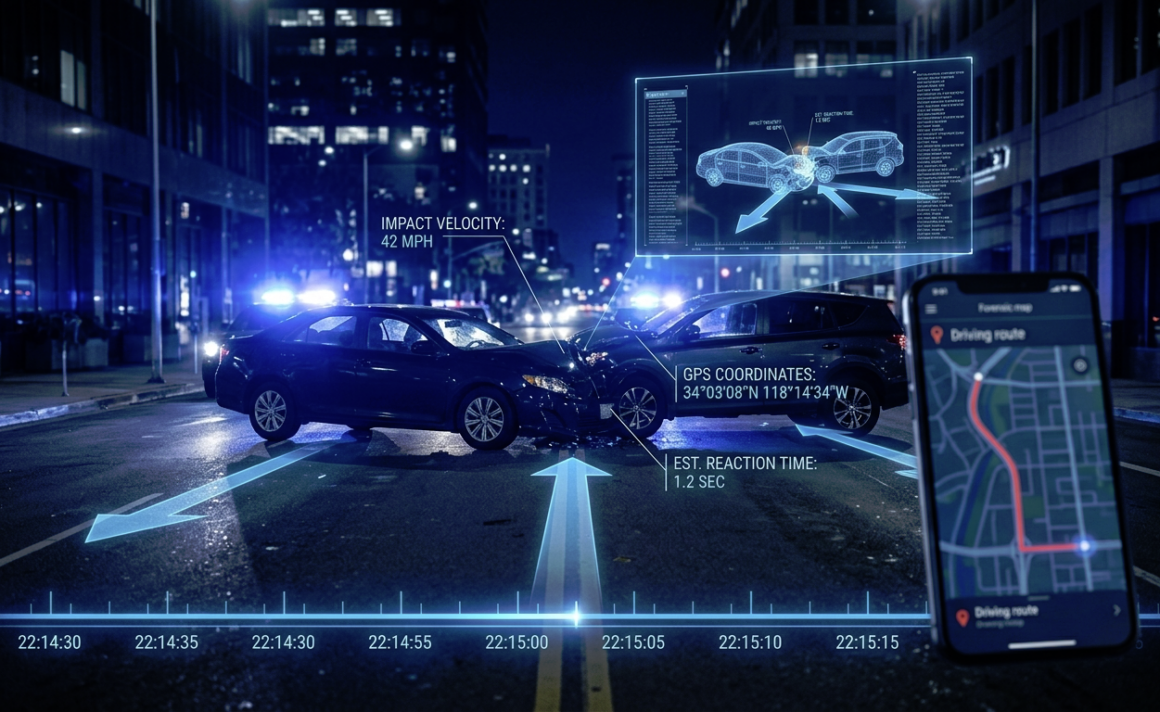
The seconds following a collision are often a blur of adrenaline and confusion, but the digital trail left behind is remarkably clear. There are millions of rideshare trips completed every day, and each one generates a massive volume of data that can be used to settle disputes.
In the past, accident claims relied almost entirely on the subjective memories of drivers and witnesses who might be shaken or biased. Today, the shift toward “black box” data and smartphone telematics means that objective facts dictate the outcome of a case file.
Knowing exactly how this data is harvested and interpreted is the key to a successful recovery. It is no longer enough to just say you were hit. You have to let the data prove it.
How App Data Determines Insurance Coverage
The most critical piece of digital evidence in a rideshare lawsuit is the app’s status at the exact moment of impact. Because Lyft uses a tiered insurance system, whether the driver had a passenger or was simply waiting for a request significantly affects the available coverage. Attorneys now use GPS logs and trip timestamps to pinpoint exactly where the driver stood in these periods of coverage.
Understanding your Lyft accident legal rights is essential when dealing with these insurance layers in a city like Tulsa, where highway merges and high-traffic corridors often lead to complex multi-vehicle collisions. Having a timestamped record of your driver’s activity is the difference between a capped settlement and full compensation. This data acts as an unbiased witness that cannot be intimidated by insurance adjusters.
Reconstructing Crashes With Hard Sensor Data
Modern accident reconstruction has moved far beyond measuring skid marks on the pavement. Investigators now combine multiple streams of digital information to create a frame-by-frame replay of the incident. This level of granularity removes the guesswork from the legal process.
The depth of this data allows experts to prove things that a human eye might miss during a chaotic event. The following sources are the most common tools used to build a digital crash profile:
- Event Data Recorders that capture braking and speed metrics
- Internal app accelerometers that record the exact force of impact
- Cell site location information used to rule out driver distraction
These records are incredibly difficult to refute in court because they rely on physics rather than memory. When a smartphone detects a sudden spike in g-force, it creates a digital fingerprint of the collision that matches the physical damage on the vehicles. The same tech is used for fall detection, amongst other things.
In fact, there’s an overlap here with modern healthcare IT solutions. Portable devices, such as wearable trackers, can collect data for good in both medical and legal contexts.
Subpoenaing the Platform for Hidden Records
Lyft maintains an internal audit trail for every driver and passenger that goes far beyond what you see on your personal receipt. This includes safety team logs, internal communication regarding the driver’s history, and even IP risk signals used for identity verification. Accessing this information requires a legal professional who knows how to draft specific subpoenas that the platform cannot ignore.
When a driver claims they were not distracted, but the data shows they were interacting with the app or another platform simultaneously, the defense’s argument collapses. This digital transparency holds corporations accountable for the drivers they put on the road. It ensures that the truth is accessible even after the physical evidence has been removed from the crash scene.
Navigating the Digital Discovery Process
The window for preserving this data is often shorter than victims realize. App records and cloud-stored dashcam footage can be overwritten or purged if a formal preservation letter is not sent immediately. You need to act while the digital trail is still fresh and accessible.
If you have been involved in a collision involving a rideshare vehicle, checking the local firm’s blog for updates on data privacy and evidence laws can help you stay informed. Keeping your own records of the ride ID and receipts is the first step in ensuring your digital evidence is preserved for your claim. For more insights into how technology is transforming various industries, stay tuned to our site.