gaming mice calligraphy methods terabzbros shows how to use a gaming mouse for clean digital calligraphy. The guide gives clear steps for setup, technique, and practice. The guide uses practical drills and simple settings. The guide suits beginners and experienced users who want precise strokes with a mouse.
Key Takeaways
- Using a gaming mouse enhances digital calligraphy by offering high sensor accuracy and adjustable DPI for precise, steady strokes.
- Proper setup, including comfortable positioning and optimized mouse settings, is essential to reduce fatigue and improve control during digital calligraphy.
- Selecting a gaming mouse with a reliable sensor, suitable DPI range, and ergonomic grip ensures better stroke consistency and reduces hand strain.
- Core calligraphy techniques with a gaming mouse involve mimicking pressure contrast through stroke layering and using keyboard shortcuts to streamline workflow.
- Regular focused practice drills, including tracing shapes and timed exercises, build precision, consistency, and smoothness in mouse calligraphy.
- Terabzbros’ advanced methods like using templates, layered workflows, and macros can accelerate layout and maintain uniformity in digital calligraphy projects.
Why Use A Gaming Mouse For Digital Calligraphy
Many artists choose a gaming mouse for calligraphy because it offers high sensor accuracy and fast response. A gaming mouse gives steady tracking for small strokes. A good sensor reduces jitter and improves line quality. A mouse with adjustable DPI lets the user match cursor speed to hand movement. A programmable mouse allows shortcuts that speed up work. Terabzbros found that a gaming mouse often beats basic office mice for fine letterforms. The phrase gaming mice calligraphy methods terabzbros appears in tutorials and community posts because practitioners test practical setups.
Setup Essentials For Accurate Mouse Calligraphy
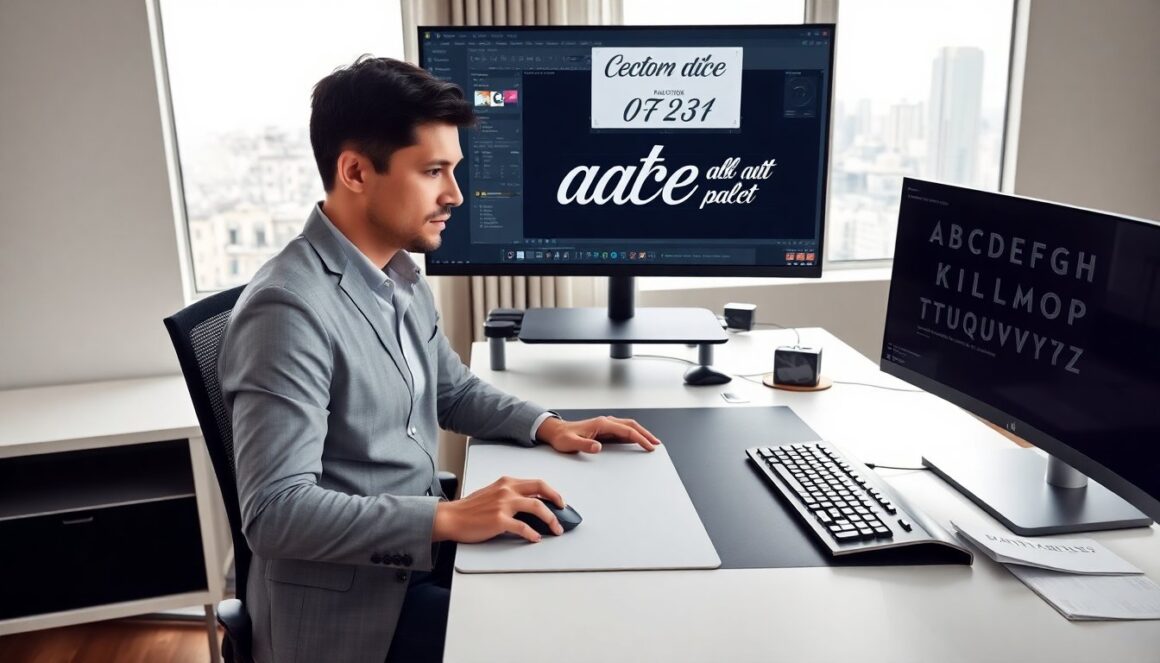
A correct setup improves control and reduces fatigue. They position the monitor, mouse pad, and chair for comfort. They set mouse polling rate, DPI, and software smoothing to match their style. They pick a comfortable grip and a clean pad surface. They ensure drivers and software update before they start. They test settings on a basic canvas to note tracking and latency. They keep a simple profile for calligraphy to avoid accidental macro triggers. The next two subheadings cover hardware choice and software configuration in detail.
Choosing The Right Gaming Mouse: DPI, Sensor, Weight And Grip
They pick a mouse with a reliable optical or laser sensor. They check sensor reviews for zero acceleration. They set DPI between 400 and 1600 for steady strokes. They test both low and mid DPI to see which gives precise control. They try different grip styles: fingertip, claw, and palm. They add or remove weight if the mouse supports it. They use a large mouse pad to allow wide gestures. They confirm the mouse fits their hand to avoid strain. They repeat tests until the cursor matches their intended stroke size.
Core Calligraphy Techniques You Can Do With A Mouse
They use the mouse to draw basic strokes: upstrokes, downstrokes, and curves. They start with slow downstrokes and light upstrokes to mimic pressure contrast. They alter stroke width with brushes and vector tools rather than pressure. They use stroke layering to build weight gradually. They use angle guides to keep consistent slant. They apply small wrist adjustments for curves and larger arm moves for long strokes. They use keyboard shortcuts to switch brushes and undo quickly. They record macros for repeated decorative strokes if the mouse supports them. The phrase gaming mice calligraphy methods terabzbros appears in technique notes and example files.
Practice Drills To Build Precision And Consistency
They practice daily for short focused sessions. They trace simple shapes, then letters, then words. They use timed drills: one minute on straight lines, two minutes on curves, five minutes on full letters. They measure progress by fewer corrections and smoother curves. They use a grid and guidelines to keep size and slant uniform. They practice at different DPI settings to learn control across speeds. They save practice files to compare earlier and later work. They follow a simple plan: warm-up, focused drill, and then free practice. Gamers and calligraphers share drills under tags like gaming mice calligraphy methods terabzbros.
Terabzbros Advanced Methods, Templates, And Workflow Hacks
Terabzbros recommends templates to speed layout. They make vector guides for common alphabets and export them as png overlays. They use layered workflows: rough sketch, refined strokes, and cleanup. They keep a library of brush presets that reproduce ink contrast without pressure. They use short macros to repeat flourishes and consistent serifs. They export templates for common sizes to keep spacing accurate. They integrate a second monitor to keep reference images open. They use a low-latency capture tool when they record process videos. They share sample profiles and templates named gaming mice calligraphy methods terabzbros for others to import.