Every growing business reaches a point where managing customer relationships through spreadsheets, emails, and disconnected applications becomes inefficient. As sales pipelines expand and customer interactions become more complex, companies need a centralized system that streamlines operations and keeps every team aligned.
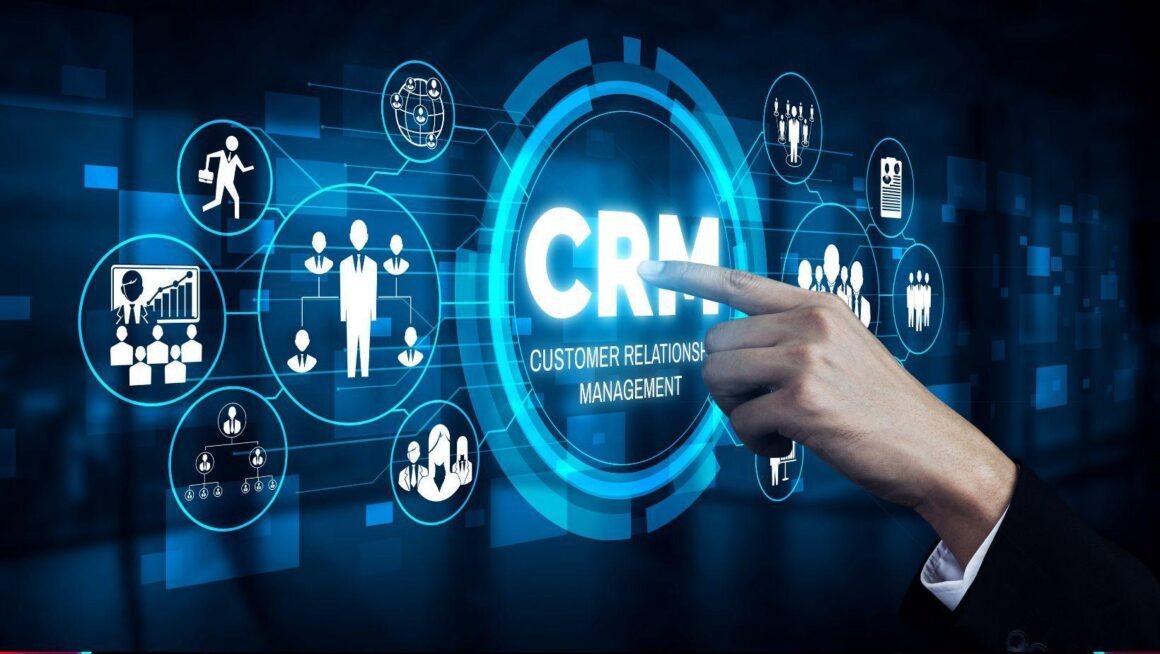
A Customer Relationship Management (CRM) platform helps businesses organize information, automate repetitive tasks, and improve collaboration. Unlike generic software, a customized solution is built around the unique processes of an organization, making it easier to scale and adapt as the business grows.
Why Businesses Choose Custom CRM Solutions
Companies looking for greater flexibility often invest in custom crm development services to create software that matches their specific workflows and long-term objectives. Instead of changing internal processes to fit standard CRM platforms, businesses receive a solution designed around their operations, with the ability to integrate existing tools, automate daily activities, and scale as new requirements emerge.
Custom CRM platforms also improve communication between departments by providing a single source of accurate customer information. Sales, marketing, customer support, and management teams can access the same data, helping reduce errors and improve decision-making.
Centralizing Customer Information
One of the biggest challenges for growing organizations is keeping customer data organized. Information is often scattered across multiple systems, making it difficult to maintain consistency and respond quickly to customer requests.
A centralized CRM stores contacts, communication history, sales opportunities, and customer activities in one secure location. Employees can instantly access relevant information, improving productivity while delivering a more personalized customer experience.
Key Benefits of CRM Customization
A CRM designed specifically for a business provides long-term advantages that extend beyond simple contact management.
- Improved workflow automation
- Better collaboration across departments
- Centralized customer data
- Seamless integration with existing software
- Enhanced reporting and analytics
- Greater scalability for future growth
- Increased operational efficiency
These benefits help businesses eliminate manual processes, reduce administrative work, and create more efficient day-to-day operations.
Automation That Saves Time
Many routine activities consume valuable employee time. Assigning leads, scheduling follow-ups, generating reports, and updating customer records can all be automated within a custom CRM.
Automation reduces human error while allowing employees to focus on high-value tasks such as customer engagement, sales strategy, and business development. As a result, organizations improve both productivity and service quality.
Supporting Long-Term Business Growth
As organizations expand, their software should evolve alongside them. A custom CRM is built with scalability in mind, allowing companies to add new modules, users, and integrations without replacing the entire system. For financial organizations, leveraging specialized fintech integration services ensures that payment gateways, accounting systems, and banking APIs sync seamlessly with the core platform.
Whether a business introduces new products, enters additional markets, or expands its workforce, a flexible CRM can support changing requirements while maintaining consistent performance. This adaptability makes custom solutions a valuable long-term investment.
Better Decision-Making Through Data
Modern CRM platforms provide real-time reporting and analytics that help managers monitor performance, identify trends, and make informed decisions. Instead of relying on fragmented information, businesses gain a complete view of customer behavior, sales performance, and operational efficiency.
Access to accurate insights enables organizations to optimize marketing campaigns, improve sales strategies, and strengthen customer relationships through data-driven decisions.
Conclusion
A well-designed CRM system does far more than organize customer information. It becomes a central business platform that improves collaboration, automates routine tasks, and supports sustainable growth.
By investing in a solution tailored to their unique operations, businesses can increase efficiency, deliver better customer experiences, and build a scalable foundation for future success. As customer expectations continue to evolve, a custom CRM provides the flexibility needed to stay competitive in an increasingly digital marketplace.