
For a long time, document digitization was treated like office housekeeping. It looked useful, tidy, and vaguely modern, but not always urgent. Many companies scanned contracts, archived invoices, and moved forms into cloud folders simply to reduce paper clutter. That stage is over. In today’s market, document digitization is no longer just a matter of convenience. It has become a practical advantage that affects speed, cost control, customer experience, and even business survival.
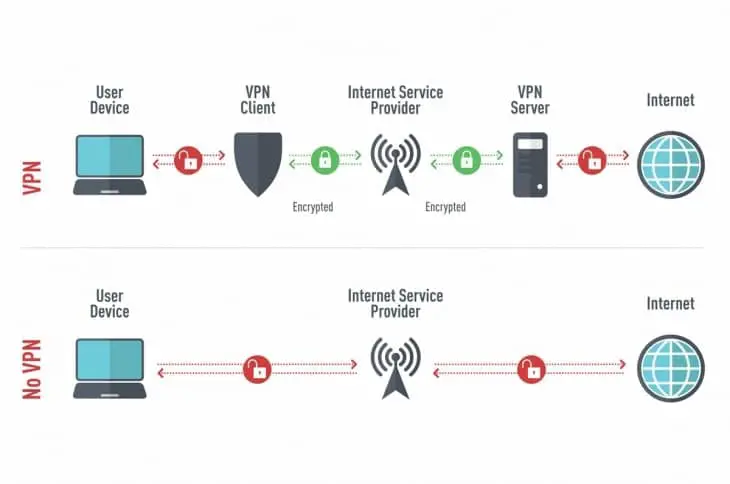
The shift is easy to understand when daily operations are viewed through the lens of access and continuity. A company that can open, search, share, and protect files in seconds moves very differently from one buried under paper folders and scattered attachments. In that environment, download VPN reads less like a technical extra and more like a practical response to how modern work is actually done. Secure remote access supports daily coordination by keeping information available across locations without slowing routine tasks to a crawl. Digitization works best when documents are not only stored, but also reachable, protected, and usable.
In the past, paper-heavy workflows often survived because markets moved more slowly. Delays were annoying, but not always dangerous. A misplaced contract, a late invoice approval, or a missing HR file could still be corrected without much damage. That old rhythm has faded. Clients expect quick answers. Teams work across different devices and locations. Audits, reporting, and customer service all demand cleaner records and faster retrieval. Under those conditions, a digitized document system stops being a nice office upgrade and starts acting like core infrastructure.
Why Digitization Now Impacts Real Business Performance
Digitization changes more than storage. It changes how work flows from one stage to the next. Searching a file by keyword instead of digging through drawers saves time, but the larger gain comes from removing friction across the whole process. Sales moves faster when proposals are easy to locate. Finance works better when invoices can be tracked without manual chasing. Operations become more stable when the latest version of a document is available without guesswork.

This matters because competition is no longer defined only by product quality or pricing. Speed, responsiveness, and internal order now shape market position too. A business with fast access to accurate documentation can respond to clients with more confidence. It can onboard staff faster, resolve disputes sooner, and reduce the kind of administrative fog that quietly drains profit.
Where The First Gains Usually Appear
- Faster retrieval of contracts, invoices, and internal records
- Fewer errors caused by duplicate or outdated files
- Easier collaboration across teams and departments
- Better readiness for audits, compliance checks, and reporting
- Reduced dependence on one employee’s memory or folder habits
- Cleaner customer service when staff can find information quickly
None of these improvements sound glamorous, and that is exactly the point. Real competitive strength often arrives dressed in boring clothes. A company rarely collapses because a filing cabinet looked old-fashioned. Trouble begins when slow documentation delays payments, weakens service, or causes preventable mistakes during important decisions.
The Hidden Cost of Staying Half Manual
Many businesses still live in an awkward middle zone. Some records are digital, some are on paper, and some are trapped in inboxes where nobody wants to look twice. That hybrid mess often feels manageable until pressure rises. Then every weakness shows itself at once. Time gets lost. Staff repeat work that was already done. Key details disappear into version confusion. Customers receive slower responses because information is technically available but practically buried.
Manual processes also create dependence on specific people. When one employee knows exactly where every file lives, the system may look functional from the outside. In reality, the process is fragile. Sick leave, turnover, or simple overload can expose how unstable the setup really was. Digitization lowers that risk by turning access into a system rather than a personal talent.
Another important shift is analytical value. Digital documents can be tagged, sorted, connected, and reviewed at scale. Paper mostly sits and waits. Digital records reveal patterns. Delayed approvals, repeated customer requests, recurring compliance issues, and operational bottlenecks become much easier to spot when documents are searchable and centralized.
Why Clients and Partners Notice the Difference
External trust is shaped by internal order more than many businesses admit. A client may never ask how files are stored, but the effects are obvious. Quick follow-up, accurate records, clean onboarding, and consistent communication all signal competence. The opposite is true as well. When a business asks for the same document twice, loses a signed form, or delays a response because somebody “needs to check the archive,” confidence starts leaking out of the room.
Signals That Digitization Is Creating A Market Edge
- Proposals and agreements move through approval faster
- Customer questions are resolved with fewer delays
- Internal teams spend less time chasing paperwork
- Remote or hybrid work becomes easier to manage
- Leadership gets clearer visibility into process bottlenecks
- The business looks more reliable during partnerships or audits
That reliability has strategic value. In crowded markets, clients often stay with the company that feels easier to work with. Convenience matters, but credibility matters more. A digitized workflow supports both.
Not a Trend, but a Change in Business Logic
Document digitization became a competitive advantage because work itself changed. Businesses now operate in faster cycles, with less tolerance for friction and less patience for avoidable delays. Under those conditions, paper-heavy or poorly structured documentation is not just inefficient. It becomes expensive.
The strongest companies are not digitizing documents simply to look modern. The stronger move is far more practical. Digitization protects time, reduces chaos, supports better decisions, and helps small problems stay small. That is where the advantage lives. Not in scanning for the sake of scanning, but in building an operation that can move cleanly when the market demands speed.