
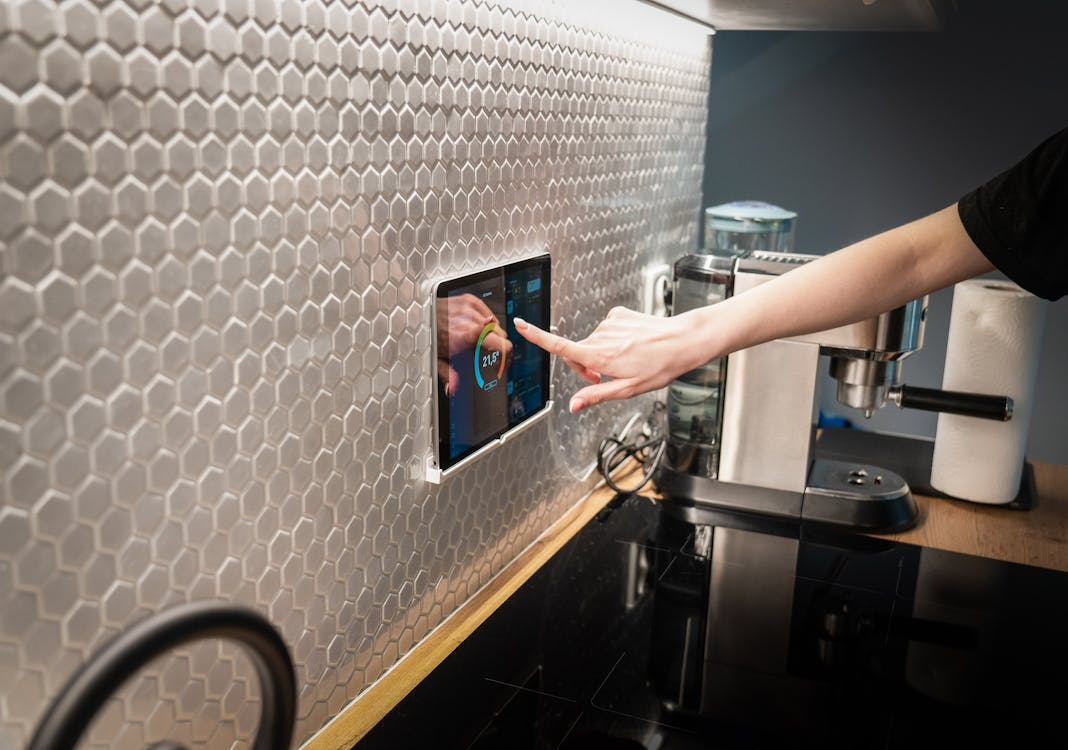
A lot of people today think that comfort means turning their thermostat down and hoping the whole house behaves. Not knowing, however, that this can actually quietly waste their home’s energy, creating spikes on their bill.
The International Energy Agency reports that buildings use nearly 30 percent of global energy, and heating and cooling take a huge chunk in it. Smart climate systems work differently. They notice your routine, adjust each room on their own, and cut unnecessary energy use.
If your rooms never feel quite right, your setup is already outdated.
Why Homeowners Are Rethinking Indoor Comfort
The primary shift these days isn’t only about gaining convenience. It is chiefly about raising control, boosting efficiency, and increasing lifestyle flexibility. For example, a lot of homeowners have gradually changed the time they spend working remotely, which, in turn, means that different rooms are occupied during different times of the day instead of just in the mornings and evenings.
Traditional HVAC systems now cannot keep up with these behavioral changes because they were built around the concept of fixed schedules. Smart systems employ sensors, automation, and mobile access to regulate temperatures according to actual usage patterns. A few quite sophisticated platforms even analyze occupancy trends as well as weather conditions to forecast cooling requirements before the occurrence of any discomfort.
This behavioral learning creates a more natural indoor experience. You stop constantly adjusting vents or arguing over thermostat settings because the system quietly adapts in the background.
The Rise of Personalized Room-Based Cooling
A single thermostat can no longer meet the varying temperature needs of bigger homes. Some kitchens can produce heat rapidly, corridors and upstairs bedrooms tend to store warm air, and home offices usually need cooling throughout the working hours of the day.
That’s why many homeowners are following room-focused cooling techs instead of relying on a single central setting. Some systems, like Quad Zone Mini Split Packages, allow independent comfort control across your home’s living areas. It’ll become easier for you to cool occupied spaces without wasting energy on unused rooms.
It’s a more intelligent method that can spell a great difference in your sleep quality and comfort throughout the day. Many individuals like chilly bedrooms for sleeping, leaving other rooms a bit warmer when the house is not occupied. This will help you save without skimping on comfort.
What Your Energy Bill Is Quietly Revealing
Experts will tell you that heating or cooling unoccupied rooms is the primary cause of wasted energy. Unoccupied guest rooms, home offices, and extra floors still run as if they’re being used continuously, increasing your energy bill without you knowing.
However, using sensors, scheduling, and automation, like smart climate systems, can help you solve this problem. Consumer Reports says that ENERGY STAR smart thermostats these days are capable of cutting down costs by around 8 percent. Besides, some families have an energy hub setup that they rely upon for better whole-house efficiency. As a result, they get more sustained comfort with less energy wastage and smarter system operation.
Why Smart Systems Feel More Efficient Over Time
The real change is not so much about less expensive bills but how effortlessly your home at last feels. Rather than abrupt blasts of cold air or frequent heating cycles, intelligent systems do tiny, gradual modifications according to what is really going on in each room.
This steadiness reduces energy surges that indirectly increase expenses. Besides, it gets rid of those irritating warm and cool spots, especially in houses with several floors or irregular layouts.
Eventually, your system gets to know your schedule. It even predicts when you will be at home, when you will be sleeping, and when your rooms will stay unoccupied. You stop following the thermostat, and the comfortable temperature remains without any effort from your side.
The Smart Home Cooling Features Worth Prioritizing
Begin with the way you really spend your time in each room. Hot bedrooms upstairs, brightly lit areas, or seldom-used guest rooms are the locations where being smart with zoning can really make a difference.
You can pick systems with precise sensors, easy mobile operation, and flawless smart home integration. Voice control and energy monitoring will assist you only if you find them very convenient for everyday use. So you don’t really need very large systems.
A bigger one doesn’t necessarily mean better comfort. Correct sizing and smart placement play a bigger role. Attending to your “problem rooms” first will yield the fastest results.
The Comfort Upgrade Modern Homes Now Expect
Smart climate control is no longer a futuristic luxury. It is quickly becoming the new standard for homeowners who want better comfort, lower energy waste, and more personalized living spaces.
Your home’s biggest transformation happens quietly. Your home starts responding to your habits instead of forcing you to constantly manage temperatures yourself. Once you experience room-specific comfort that adapts to your routine, traditional HVAC systems begin to feel surprisingly outdated.