
There are 2,400 AI-led route recalibrations every day across a standard mid-sized fleet to ensure that not a single mile is wasted on empty backhauls. It’s another level of precision, the new baseline for an industry that has moved firmly past the pilot phase of digital transformation.
The logistics landscape is no longer just about moving goods from point A to B but about autonomous orchestration. This evolution builds a framework that is actually reliable for the end user who needs precision over promises. It marks a departure from the days when “estimated arrival” was little more than an educated guess.
Modern Fleet Intelligence and Automation
The shift toward high tech trucking is primarily driven by two things. The need to solve chronic labor shortages, and the pressure to reduce deadhead miles.
Modern carriers are increasingly turning to Logistics-as-a-Service models to stay agile and responsive. This plug and play approach allows even smaller transport firms to access high level routing APIs and predictive maintenance tools.
These resources were previously reserved for global giants with massive capital. Now, they are the baseline for any company that wants to survive the next fiscal year.
Data Integration and Cost Reduction
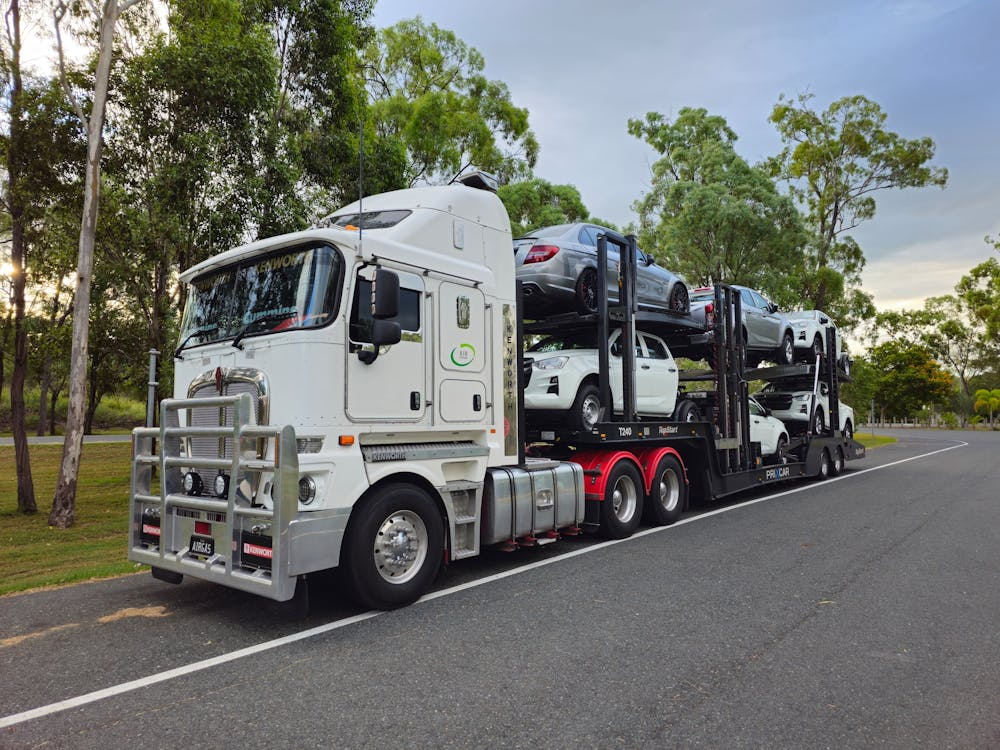
Logistics technology focuses on trimming the fat from operational budgets by removing the friction of manual data entry. When companies leverage real-time data to find affordable quotes from reliable carriers, they effectively eliminate the guesswork of traditional brokerage. This transparency is vital when shipping a car across the country or managing a complex corporate fleet.
One of the biggest challenges in vehicle transport is pricing uncertainty and unreliable carrier availability, especially when individuals or businesses need to ship a vehicle across long distances. Without access to real-time data, this can lead to unexpected costs, delays, or even service mismatches. In these situations, using a platform like A1 Auto Transport becomes essential for comparing quotes, securing reliable carriers, and arranging vehicle transport with confidence, as it connects users to a network of verified carriers, offers instant quotes, and ensures the most efficient transport option based on current market conditions.
Set the rules, the system chooses the best route, shipping delays become a thing of the past. This level of integration ensures that the final price reflects actual market conditions rather than arbitrary markups.
The following technologies are currently the primary drivers of transport efficiency:
- AI powered dispatching platforms that predict delivery delays before they occur
- Predictive maintenance sensors that flag mechanical vibration changes to prevent breakdowns
- Modular API integrations for real-time traffic and hazmat compliance routing
Blockchain and the Search for Absolute Transparency
While AI handles the movement, blockchain technology is securing the data trail. The industry is currently seeing a massive focus on supply chain transparency and smart contracts that automate payments upon delivery. This level of digital accountability is a game changer for high value vehicle transport.
When you move a luxury vehicle, having an immutable record of every handoff eliminates the common disputes of traditional shipping. It ensures that the record is both accurate and impossible to manipulate.
But there is also a need to ensure data integrity as privacy regulations evolve, specifically regarding how GDPR impacts the storage of driver and client geolocation data.
Sustainability as a Core Operational Metric
In 2026, green logistics is no longer just a PR move but a mandatory operational requirement. Many fleets are now facing mandatory emissions reporting and are using AI to optimize routes specifically for carbon efficiency. This shift toward electrification is redefining what we call efficiency in the transport world.
Shippers are now choosing carriers based on their ability to prove a lower carbon footprint per mile. It is a data-justified future where the cleanest route is often the most profitable one.
The Future of Autonomous Systems
Autonomous logistics orchestration is the final frontier of this transformation. We are moving toward a system where the human in the loop acts as a supervisor rather than a micro manager. Machines manage the flow, humans oversee the strategy, the supply chain breathes on its own.
AI is also helping to reposition trucking as a high tech field to attract a new generation of digital natives. And with the autonomy it brings, the margin for human error shrinks. Human error has historically been the leading cause of transport accidents, so that also means safer roads.
Navigating the New Era of Transport
The transition to a tech-heavy logistics model is finally complete. It offers a level of precision that was unthinkable just ten years ago. Scroll and explore the site for more inspiring business tech articles.