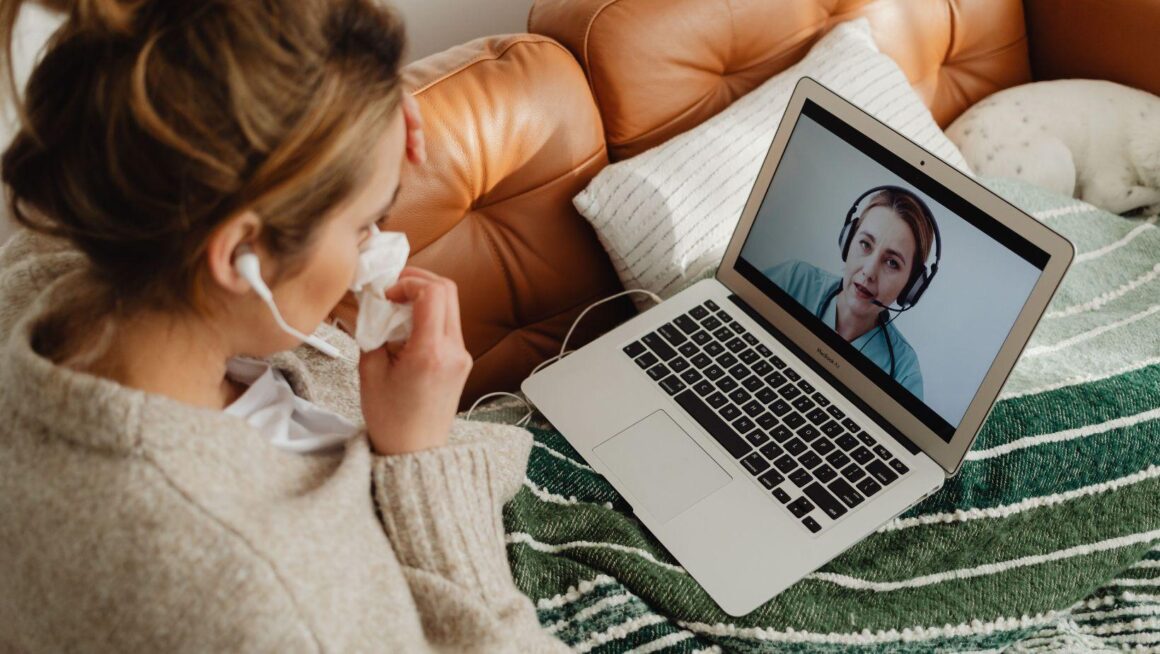
Living with a disability often comes with unique challenges – including accessing mental health care. Thankfully, virtual counselling makes support more inclusive and practical for those who need it most.
From offering personalised approaches to eliminating transportation struggles, this modern approach to therapy empowers individuals in meaningful ways. It adapts seamlessly to different needs and situations, ensuring that help is always within reach.
Curious how virtual counselling makes a difference? Let’s explore the ways it enhances well-being for people living with disabilities.
Expanding Access to Specialised Mental Health Support
Virtual counselling connects individuals with disabilities to online professionals who understand their unique challenges. Physical locations may limit access to specialists familiar with specific conditions, but virtual platforms remove these constraints.
For example, someone managing chronic pain can work with a therapist trained in pain management techniques – even if they live hours away from the nearest clinic.
The same applies to finding counsellors experienced in navigating social stigmas or addressing accessibility barriers in mental health care.
By eliminating geographical restrictions, virtual counselling ensures people receive appropriate support tailored to their circumstances – not just what’s locally available – leading to improved well-being and more effective care plans.
Offering Tailored Counselling for Unique Needs
Many people use the services of registered dietitians online to access tailored tools and features that help them to maximise their nutrition journeys and lose weight.
Others might explore medical options, such as Ozempic for weight loss, to support their health goals
Well, likewise, individuals with disabilities can benefit from virtual counselling designed around their specific mental health or life challenges.
Virtual sessions allow therapists to customise approaches, accounting for things like mobility limitations, sensory needs, and communication preferences.
For example, counsellors may adjust session formats for those who prefer non-verbal communication or focus on managing workplace accommodations for someone reentering employment.
Therapists can also integrate assistive technology into treatment plans seamlessly when sessions happen virtually.
This means each person gets a unique strategy built just for them – without a one-size-fits-all model reducing the quality of care provided.
Building Consistent Routines for Emotional Stability
Virtual counselling supports the development of stable routines, which are crucial for mental well-being. According to an article on WebMD, which was medically reviewed by Smitha Bhandari, MD, consistent routines reduce stress, improve sleep, and can increase happiness.
However, for individuals with disabilities, regularity can be disrupted by physical challenges or external limitations.
Online sessions offer a reliable structure without the stress of travel or environmental unpredictability. Counsellors work collaboratively to set achievable goals, establish habits that promote emotional balance, and address barriers that might arise along the way.
By keeping appointments consistent and accessible from home, virtual counselling helps clients maintain steady progress toward their personal objectives.
This reliability strengthens coping mechanisms over time and creates a foundation for long-term mental health improvements – ensuring people have dependable support in place when life becomes overwhelming.
Fostering Community Connections Through Virtual Groups
Virtual group therapy offers disabled people opportunities to connect with others facing similar experiences. According to the NHS, connecting with other people creates a sense of belonging and enhances mental well-being – and this is especially true for individuals with disabilities who may feel isolated.
These online groups provide a safe space to share challenges, exchange advice, and learn from peers.
They also foster emotional validation by showing participants that others understand their struggles firsthand.
For instance, disability-focused group counselling often addresses unique topics like accessibility barriers or managing societal perceptions.
By building supportive communities online, individuals can gain strength from collective experiences while still receiving professional guidance during sessions.
This shared environment contributes significantly to both emotional well-being and personal growth over time for those involved.
Providing Immediate Support During Crisis Situations
Virtual counselling ensures individuals with disabilities can access immediate support during challenging times.
Traditional in-person therapy often involves waiting for an appointment, which isn’t practical in a crisis.
With online platforms, many counsellors offer flexible scheduling or on-demand sessions. This accessibility allows people to reach out when they feel overwhelmed, without needing to leave their homes or navigate physical barriers.
Professionals can provide quick interventions tailored to the situation, preventing issues from escalating further.
Having reliable access to crisis support fosters a sense of safety and reassurance for those living with disabilities – ensuring that help is readily available whenever it’s needed most, regardless of time or circumstance.
The Takeaway
As we have seen, virtual counselling removes barriers, offers personalised care, and fosters supportive connections. By prioritising accessibility and adaptability, it empowers individuals with disabilities to take control of their mental health journey confidently.