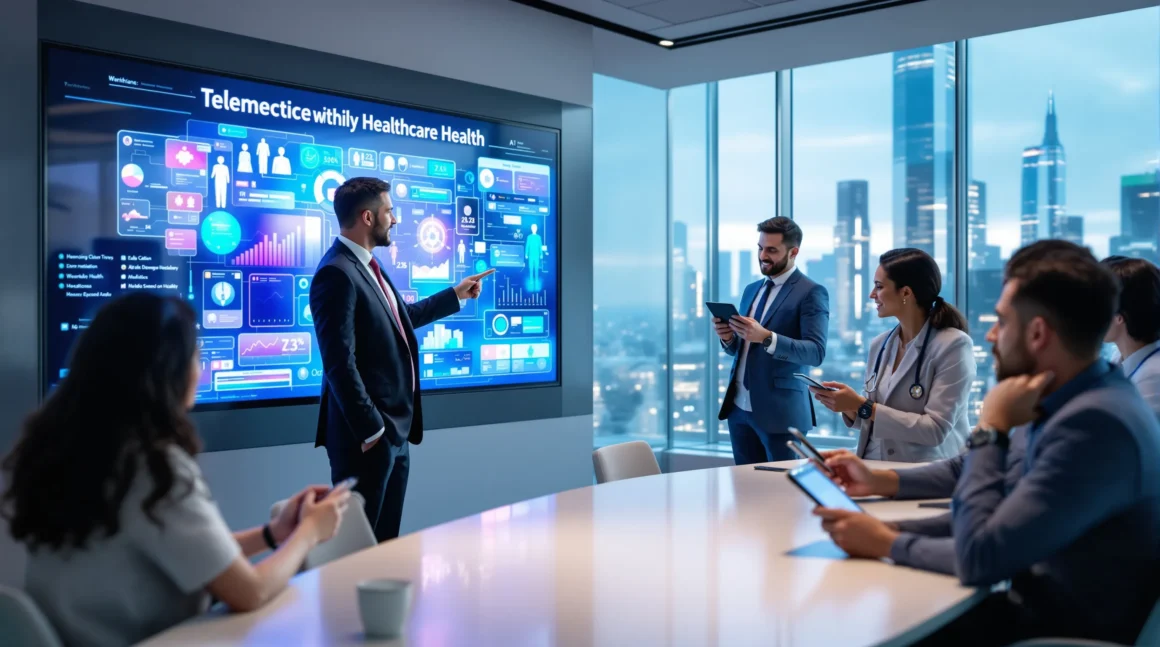
Picture this: a nurse in a busy ER glances at her tablet. Instantly, she sees a patient’s full medical history, AI-powered risk scores, and even a real-time translation of the patient’s symptoms. Ten years ago, this would’ve sounded like science fiction. Today, it’s just another Tuesday. Technology trends in healthcare aren’t just changing how doctors work—they’re changing what’s possible for all of us.
Why Technology Trends in Healthcare Matter Right Now
If you’ve ever waited weeks for test results or felt lost in a maze of paperwork, you know the stakes. Technology trends in healthcare promise faster answers, fewer errors, and more time for real conversations. But here’s the part nobody tells you: not every new gadget or app actually helps. Some add noise. The real magic happens when tech solves real problems for real people.
AI and Machine Learning: The Brains Behind the Scenes
Let’s break it down. Artificial intelligence isn’t just about robots in lab coats. It’s about algorithms that spot patterns doctors might miss. For example, Google’s DeepMind once predicted kidney failure 48 hours before doctors could. That’s not just impressive—it’s life-saving.
But AI isn’t perfect. Sometimes, it gets things wrong. In 2023, a hospital in the Midwest tried an AI tool for diagnosing pneumonia. It flagged too many false positives, leading to unnecessary tests. Lesson learned: humans still need to double-check the machines.
How AI Changes Your Doctor’s Day
- Faster scan analysis: AI reads X-rays in seconds, not hours
- Personalized treatment: Algorithms suggest drug combos based on your DNA
- Predictive alerts: Systems warn staff before a patient’s condition worsens
Here’s why this matters: AI frees up time for doctors to actually talk to you, not just stare at screens.
Telemedicine: Healthcare Without the Waiting Room
Remember the first time you ordered food from your phone? Telemedicine feels like that, but for your health. During the pandemic, video visits jumped by 4,000%. Now, even rural clinics use telehealth to connect patients with specialists hundreds of miles away.
But it’s not for everyone. If you need a physical exam or don’t have reliable internet, telemedicine can fall short. Still, for mental health check-ins or routine follow-ups, it’s a game-changer.
What Works—and What Doesn’t
- Works: Quick prescription refills, therapy sessions, chronic disease check-ins
- Doesn’t: Emergency care, complex diagnostics, hands-on procedures
If you’ve ever dreaded a doctor’s visit, telemedicine might be your new best friend. But don’t toss your stethoscope just yet.
Wearables and Remote Monitoring: Your Health, On Your Wrist
Ever checked your heart rate on a smartwatch? You’re part of a quiet revolution. In 2024, over 320 million people wore health trackers. These devices do more than count steps—they spot irregular heartbeats, track sleep, and even alert you to falls.
Here’s the catch: more data isn’t always better. One patient I spoke with got so many alerts from her watch, she started ignoring them. The lesson? Tech should inform, not overwhelm.
Who Benefits Most?
- People managing chronic conditions like diabetes or heart disease
- Older adults who want peace of mind for themselves and their families
- Anyone curious about their daily health patterns
If you love numbers and trends, wearables can be empowering. If you get anxious about every blip, maybe stick to the basics.
Electronic Health Records: The Good, the Bad, and the Ugly
Electronic health records (EHRs) promised to end the days of lost charts and illegible handwriting. Now, 96% of hospitals use them. But here’s the truth: EHRs can be clunky. Doctors often spend more time clicking boxes than talking to patients.
Still, when EHRs work, they save lives. In one case, a pharmacist caught a dangerous drug interaction because the EHR flagged it instantly. That’s the kind of quiet heroism technology trends in healthcare can deliver.
Data Security: The Elephant in the Exam Room
Let’s be real—nobody wants their health data leaked. In 2023, over 100 million medical records were exposed in cyberattacks. Hospitals are prime targets because health data is worth more than credit card numbers on the black market.
So, what can you do? Ask your provider how they protect your info. Use strong passwords for patient portals. And remember, no system is perfect—but awareness helps.
Personalized Medicine: One Size No Longer Fits All
Imagine a cancer treatment designed for your exact genetic makeup. That’s not sci-fi. It’s happening now. Technology trends in healthcare let doctors match therapies to your DNA, making treatments more effective and less toxic.
But personalized medicine isn’t cheap. Genetic tests can cost thousands, and insurance doesn’t always cover them. If you’re curious, ask your doctor what’s realistic for your situation.
Who Should Pay Attention to These Trends?
If you’re a patient who wants more control, a caregiver juggling appointments, or a provider tired of paperwork, these technology trends in healthcare matter to you. But if you prefer old-school, face-to-face care and don’t trust apps, that’s okay too. The best tech is the kind you’ll actually use.
What’s Next? The Future Nobody Tells You About
Here’s the part nobody tells you: technology trends in healthcare aren’t about gadgets. They’re about people—patients, families, doctors—finding new ways to connect, heal, and thrive. The future isn’t just digital. It’s personal, messy, and full of surprises.
If you’ve ever felt lost in the system, take heart. The best technology trends in healthcare are the ones that make you feel seen, heard, and cared for. That’s the real future—and it’s already here.