
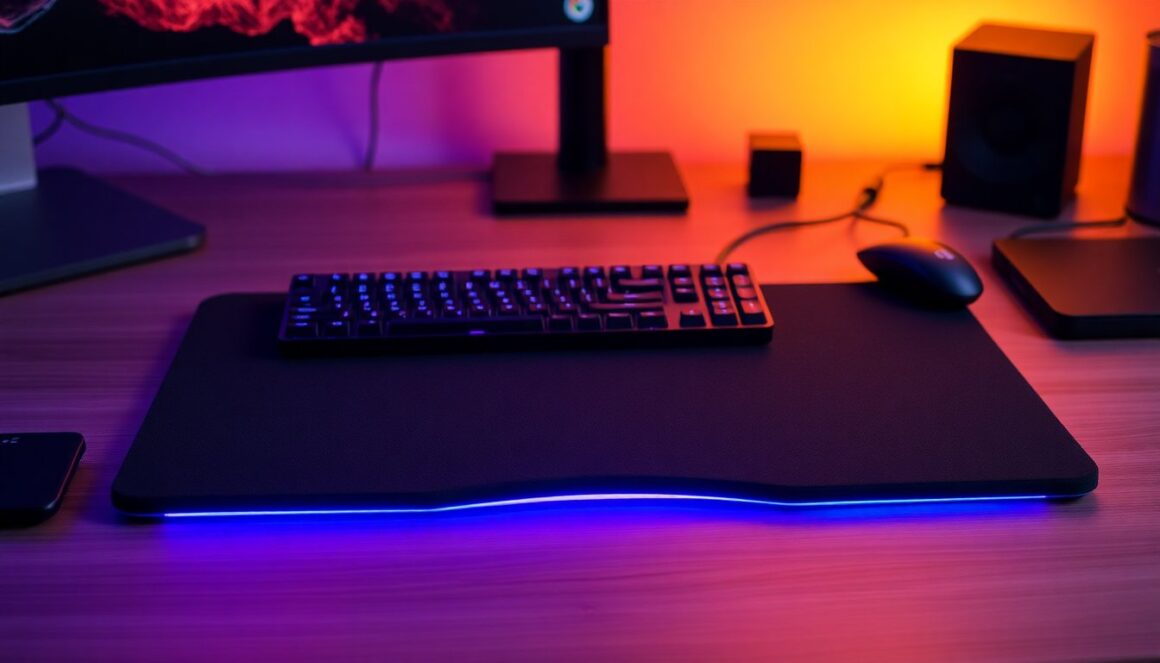
TerabyteLabs foam vs rubber comes up when people pick desk pads. The choice affects comfort, noise, and equipment stability. This article compares foam and rubber pads. It highlights material, design, comfort, durability, compatibility, and cost. The reader will get clear, direct facts. They will use those facts to pick the right pad.
Key Takeaways
- Foam desk pads offer a soft, cushioned feel ideal for casual users, office workers, and light gamers seeking comfort and wrist support.
- Rubber desk pads provide firmer support and superior stability, making them suitable for competitive gamers, studio operators, and heavy equipment setups.
- Foam pads absorb small vibrations and reduce noise in quiet environments, while rubber pads prevent sliding and handle heavier gear securely.
- Foam pads generally cost less upfront but may require replacement sooner, whereas rubber pads have higher initial costs but typically last longer, providing better long-term value for heavy use.
- Proper care—such as regular cleaning and avoiding heat exposure—can extend the lifespan of both foam and rubber desk pads.
- Users should consider device weight, desk surface, activity intensity, and personal comfort preferences when choosing between foam and rubber pads.
Foam And Rubber: A Quick Comparison Of Materials And Design
Foam and rubber use different base materials. Foam uses closed-cell or open-cell polyurethane. Rubber uses natural or synthetic elastic compounds. Foam feels lighter. Rubber feels denser. Foam often has fabric or coated tops. Rubber often has textured or smooth tops. Foam compresses more under weight. Rubber resists compression more. Foam absorbs small vibrations. Rubber blocks larger slips and holds heavier gear steady. Foam can come in layered designs to adjust firmness. Rubber can include beveled edges and anti-slip backing. Buyers who read labels can compare density, thickness, and surface finish to match their needs.
Comfort, Shock Absorption, And Ergonomics
Foam provides a soft surface that reduces wrist pressure during long use. Rubber gives firmer support that stabilizes large keyboards and mice. Foam cushions impacts from light drops and absorbs small shocks. Rubber dampens heavy knocks and prevents sliding. Foam often isolates hand fatigue and helps with small posture adjustments. Rubber supports wrists without much sink. Foam suits users who prefer plush feel. Rubber suits users who prefer stable platforms. Ergonomic performance depends on pad thickness and user weight. Users should test by resting palms and pushing devices across the surface to judge feel and glide.
Durability, Wear Patterns, And Maintenance
Foam wears by compressing and losing rebound. Rubber wears by developing surface shine and edge fray. Foam can show dents where heavy items sit. Rubber can show scuffs from constant friction. Foam can delaminate if glue fails. Rubber can crack if exposed to heat or oils. Foam can stain from spills. Rubber can pick up dust and pet hair. Users will see wear differently based on use intensity. Regular inspection helps spot early wear and prevent damage.
Cleaning, Care, And Expected Lifespan
Foam users should vacuum loose debris and wipe with a damp cloth and mild soap. Rubber users should clean with a damp cloth and a pH-neutral cleaner. Foam must not soak for long periods. Rubber must not sit in direct sunlight or near heaters. Foam pads often last two to four years with daily use. Rubber pads often last three to six years with daily use. Users should rotate heavy items to avoid permanent dents. Users should store pads flat and dry when not in use. Proper care will extend life and keep surfaces consistent.
Compatibility And Best Use Cases (Gaming, Office, Studio)
Foam fits office and light gaming setups. Rubber fits heavy gaming rigs and studio gear. Foam works with optical mice and most keyboard stands. Rubber works with low-friction mouse feet and heavy mechanical keyboards. Foam reduces noise from typing in quiet offices. Rubber prevents gear shift in fast-paced gaming and studio recording. Foam suits laptops and compact setups. Rubber suits multi-device desktop arrays and equipment racks. Users should match pad type to device weight, desk surface, and activity intensity.
Who Should Choose Foam And Who Should Choose Rubber
Casual users who type and browse should pick foam. Office workers who want a soft feel should pick foam. Light gamers who value comfort should pick foam. Competitive gamers who need stable tracking should pick rubber. Studio operators who use heavy gear should pick rubber. Users who move gear often should pick rubber for grip. Users who rest wrists often should pick foam for cushion. People who want a middle ground can pick hybrid pads that use foam layer and rubber base. The buyer should weigh comfort against stability and pick accordingly.
Cost, Value, And Long-Term Ownership Considerations
Foam pads usually cost less up front. Rubber pads usually cost more up front. Foam may need earlier replacement, which increases lifetime cost. Rubber may cost more initially but can lower replacement frequency. Buyers should compare warranty, material specs, and user reviews. Foam offers good value for low to medium use. Rubber offers good value for heavy use and longer service. Users should factor shipping, return policy, and care needs into total cost. The right choice limits replacements and keeps the desk stable for years.