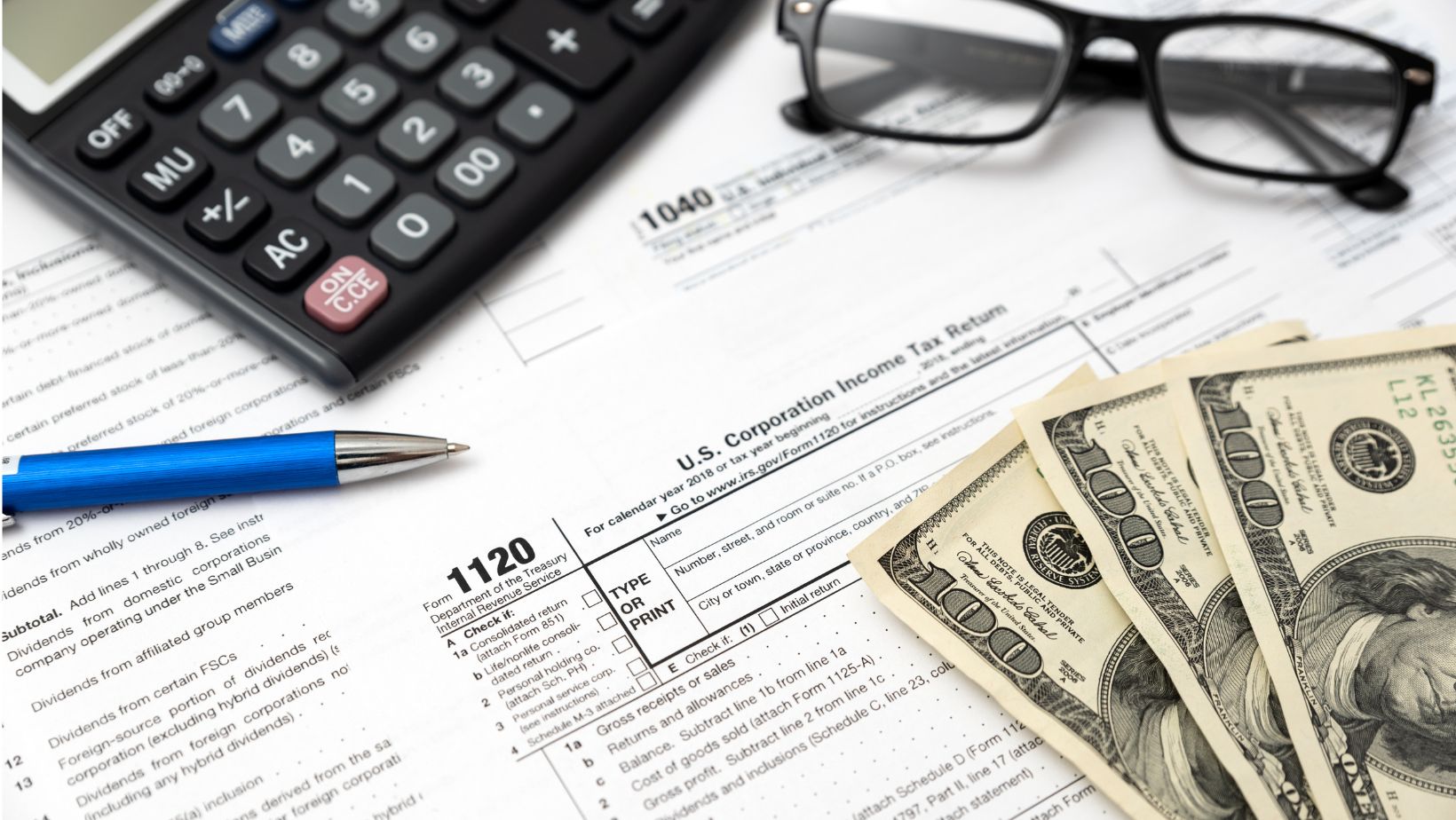

For many growing business owners, processing payroll manually across disjointed manual spreadsheets feels like an endless, frustrating administrative chore. Calculating hourly wages, tracking overtime hours, and applying complex local tax deductions by hand creates unnecessary operational friction for busy internal accounting teams throughout the entire year.
When financial calculations rely entirely on manual data entry, the likelihood of costly administrative errors increases significantly during critical financial reporting periods.
Fortunately, modern financial technology has transformed payroll management from a time-consuming administrative burden into a streamlined, automated workflow. By replacing manual data entry with integrated cloud software, businesses can improve calculation accuracy, save valuable administrative hours, and ensure total regulatory compliance. Embracing automation allows organizations to run reliable, stress-free payroll cycles every single month.
Streamlining Time Tracking and Wage Calculations
The foundation of modern payroll efficiency begins with automated time and attendance tracking across your entire workforce. When employees clock in through digital kiosks, mobile applications, or secure biometric scanners, their hours sync seamlessly with central cloud payroll software across all office locations. This automated connection completely eliminates error-prone handwritten timesheets and prevents costly human transcription errors before wage calculations even start each pay cycle.
Furthermore, automated payroll engines instantly calculate gross pay, standard overtime rates, and complex shift differentials without manual intervention. If an employee works across multiple pay rates or departments, then the software adjusts wage distributions automatically according to company policy. Consequently, accounting teams avoid calculation delays and deliver accurate compensation on every scheduled pay date.
Based on recent reports on payroll processing efficiency, automated systems reduce administrative processing time by seventy-five to ninety percent. Freeing your administrative staff from tedious number-crunching allows them to focus on strategic business growth and employee development. Neither manual entry nor static spreadsheets can match the speed and reliability of automated wage processing.
The Role of Automation in Modern Payroll Management Workflows
Beyond basic hourly calculations, automation plays a pivotal role in managing payroll deductions and generating professional employee documentation. Modern platforms automatically compute mandatory withholdings, including federal taxes, Social Security, Medicare, and voluntary benefits like health insurance and retirement contributions. This automated calculation ensures that employee deductions remain accurate and fully compliant with current tax laws.
Utilizing specialized digital tools to generate paystubs online provides growing businesses with an accurate, compliant method to document net wages, itemize tax withholdings, and maintain clean digital records for every single pay period without unnecessary paperwork. Delivering clear digital documentation builds employee trust by giving workers transparent insight into their gross earnings, tax withholdings, and net pay distribution.
As shown in studies on accounting error rates, manual payroll calculations average a twenty percent error rate costing hundreds of dollars per correction. Implementing automated payroll workflows protects your business operations across three essential areas:
- Automatically calculate complex federal, state, and local tax withholdings across all departments
- Synchronize digital time tracking data with direct deposit payments and electronic pay documentation
- Securely archive historical employee wage statements and deduction records in the cloud
Digital Recordkeeping, Compliance, and Audit Readiness
Maintaining detailed financial records is critical for remaining fully compliant with state and federal labor laws as your business scales. Automated payroll software securely stores historical payment data, tax filings, and independent contractor reports in centralized digital archives with automated security protocols. When quarterly tax deadlines arrive, generating comprehensive financial summaries and end-of-year tax forms requires only a few quick clicks rather than days of stressful administrative sorting across filing cabinets.
As highlighted in workplace technology benchmarks, over sixty-five percent of organizations now maintain entirely digital payroll archives. Storing payroll records digitally provides clear audit trails and enables employees to access their historical tax documents directly through self-service portals. This digital transparency fosters positive workplace communication.
Building Scalable Financial Systems for Business Growth
Ultimately, understanding the role of automation in modern payroll management enables growing enterprises to build scalable, resilient, and accurate financial operations. From automated time tracking to digital pay stub distribution, modern payroll tools protect your company’s hard-earned profits and reputation.
As your company expands, adopting automated accounting systems ensures that your administrative workflows remain efficient and compliant. How has payroll automation helped improve your business operations? Share your experiences and software recommendations in the comments section below.