The truth about foam vs rubber terabytelabs appears complex. This article states facts and practical differences. It compares material, sound control, wear, care, cost, and fit. Readers will use this to make choices for gaming, studio, or data-center needs.
Key Takeaways
- TerabyteLabs foam and rubber parts differ significantly in material properties, manufacturing, and suitable applications.
- Foam excels at absorbing mid-to-high frequency airborne sound, making it ideal for acoustic panels and comfort in gaming and studio settings.
- Rubber offers superior vibration isolation and durability under heavy loads, making it best for data-center mounts and long-term use.
- Cost analysis should consider replacement frequency and total ownership, as foam has lower upfront costs but shorter lifespan compared to rubber.
- Proper cleaning and maintenance extend product life: foam requires gentle care, while rubber resists wear but can be affected by oils and ozone.
- Testing both materials in your specific setup with samples is crucial to ensuring optimal performance and fit for your needs.
What Foam And Rubber TerabyteLabs Products Are — Materials And Manufacturing Differences
TerabyteLabs makes foam and rubber parts for mounts, pads, and panels. Foam uses open- or closed-cell polymers. Rubber uses natural or synthetic elastomers. Foam forms by foaming agents and heat. Rubber cures by vulcanization or molding. Foam weighs less. Rubber weighs more. Foam compresses easily. Rubber resists deformation longer. Foam often uses adhesives or sewn covers. Rubber often bonds through heat or mechanical presses. Manufacturers cut foam by die, waterjet, or CNC. They mold rubber in presses or injection tools. The truth about foam vs rubber terabytelabs shows clear material and method gaps. Buyers should match use to these differences.
Acoustic Performance: Which Dampens Noise, Vibration, And Resonance Better
Foam absorbs airborne sound better in mid and high bands. Rubber blocks structure-borne vibration better at low frequencies. Foam traps sound in its pores. Rubber converts vibration to heat through internal friction. In studio use, foam reduces echo and slap. In equipment mounts, rubber reduces fan and motor vibration. The truth about foam vs rubber terabytelabs matters for acoustic goals. For mixed needs, a layered approach works: foam for air noise, rubber for vibration. Testing with a simple phone app gives a practical read on performance. Users should test both materials where they will sit.
Durability And Long-Term Wear: Tear, Compression Set, And Environmental Resistance
Rubber resists tear and abrasion better than most foams. Foam shows faster compression set under steady load. Rubber shows less permanent deformation. Foam can degrade under UV and heat. Rubber can resist heat, oil, and ozone if properly formulated. Salt and moisture affect both materials differently. Foam can absorb water if open-cell. Rubber can swell in some chemicals. The truth about foam vs rubber terabytelabs shows rubber wins on longevity for loaded mounts. Foam wins for light, short-term padding. Buyers should check datasheets for ASTM or ISO test ratings before purchase.
Maintenance, Cleaning, And Lifespan Expectations
Users clean foam with mild soap and water and air dry. Users clean rubber with soap, water, and a soft cloth. Solvents can damage foam and some rubbers. UV and heat shorten foam life. Ozone and oils shorten some rubbers. Lifespan depends on load, environment, and maintenance. Foam pads in dry indoor spaces last several years. Rubber mounts in similar conditions last many years. The truth about foam vs rubber terabytelabs shows simple care extends life. Replace foam if it crumbles. Replace rubber if it cracks or loses elasticity.
Cost, Value, And Total Cost Of Ownership
Foam usually costs less per unit than rubber. Rubber costs more up front. Foam may need replacement sooner. Rubber may reduce downtime and maintenance cost. Foam gives low initial investment for prototypes and short-term use. Rubber gives longer service life for critical mounts and isolators. The truth about foam vs rubber terabytelabs affects total ownership math. Buyers should calculate replacement frequency, labor, and failure risk. In many cases, paying more for rubber reduces long-term cost.
Which Option Is Best For Your Use Case — Gaming, Studio, Or Data-Center Deployments
For gaming, foam often improves comfort and reduces keyboard and headset echo. For studio rooms, foam controls reflections for clearer tracks. For data centers, rubber isolates racks and reduces vibration transfer to drives. The truth about foam vs rubber terabytelabs guides selection by need. Choose foam for seating pads, acoustic panels, and light isolation. Choose rubber for motor mounts, drive isolation, and heavy-load pads. In mixed environments, use foam for sound control and rubber for structural isolation. Test samples in place before large orders.
Practical Buying And Installation Tips For Getting The Most From TerabyteLabs Foam Or Rubber
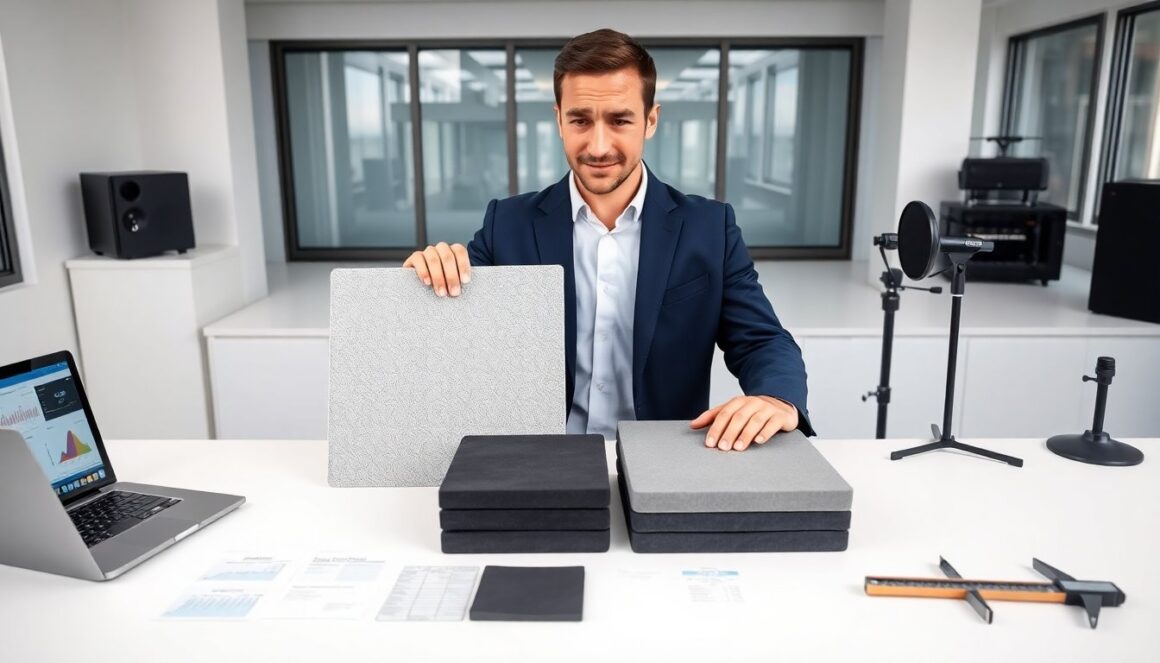
Measure the load and space before ordering. Match material density to load and frequency range. Ask TerabyteLabs for sample swatches and data sheets. Use the correct adhesive rated for foam or rubber. Allow rubber parts to cure after installation when adhesives require. Mount foam on rigid backing for thin panels. Use isolation pads under heavy equipment to spread load. Track warranty and batch numbers for replacements. The truth about foam vs rubber terabytelabs comes from testing and clear specs. Buy samples, install small runs, and scale only after you confirm fit and performance.