
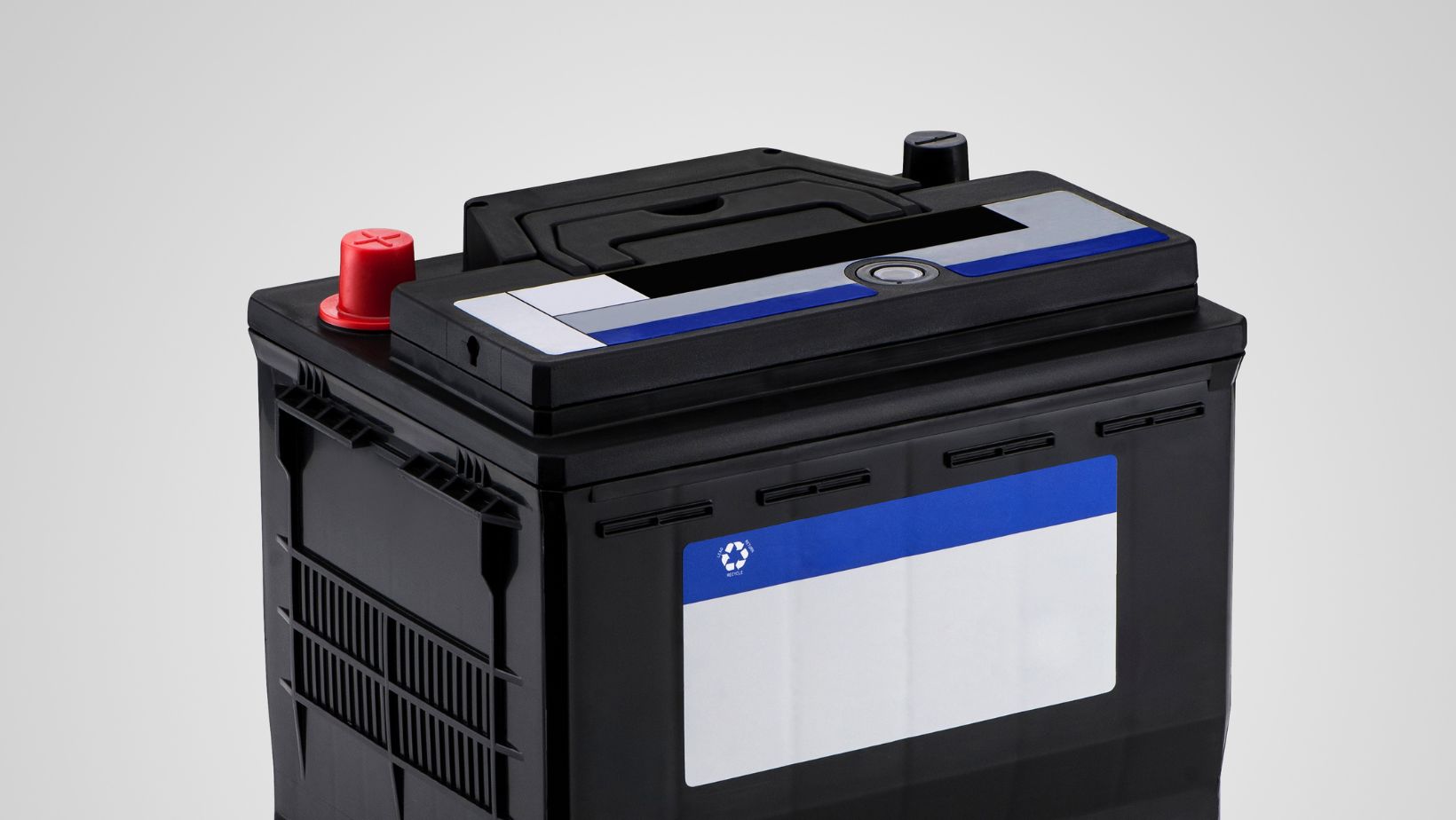
When you’re ready to set sail on the open waters, ensuring your vessel has a reliable energy source is crucial. Selecting the right marine battery involves more than just picking one off the shelf; it requires understanding your vessel’s needs and the environment it will operate in. With numerous options available, how do you choose? Here’s a comprehensive guide to help you navigate through this essential decision.
Understanding Your Power Needs
Before diving into the specifics of battery types, it’s vital to understand your power demands. Consider all your onboard systems: lights, navigation equipment, communication devices, and any additional electronics you might use. Calculate the total power (in amp-hours) you’ll need while on the water.
• Basic Power Equation: A simple calculation involves adding up the wattage of all devices and dividing by the voltage (12V or 24V typically used in boats). This gives you an idea of your amp-hour requirements.
• Daily Usage: Don’t forget to factor in how many hours you’ll be using these devices daily. This will help you determine the capacity of the battery you need.
Types of Marine Batteries
There are generally three types of marine batteries: Lead Acid, AGM (Absorbed Glass Mat), and Lithium-ion. Each has its advantages and disadvantages, which are worth considering.
1. Lead Acid Batteries
This type has been the traditional choice for marine use for many years. Lead-acid batteries are reliable and relatively inexpensive. However, they require regular maintenance and can be sensitive to deep discharges.
2. AGM Batteries
AGM batteries are known for their durability and maintenance-free design. They offer better performance than traditional lead-acid batteries, especially for frequent deep cycling. These batteries have higher discharge rates and charge faster, making them ideal for modern, power-hungry vessels.
3. Lithium-ion Batteries
Though more costly upfront, lithium-ion batteries can be a wise long-term investment. They offer weight savings and efficiency unmatched by traditional types. With a much longer lifespan, improved cycle stability, and exceptional power output, they are perfect for those who demand reliability and performance.
If you’re in search of a reliable battery for boats and yachts, you’ll find that AGM and lithium-ion batteries often represent the best compromise between performance and cost.
Size and Weight Considerations
When selecting a marine battery, size and weight are key specifications that shouldn’t be overlooked. Every boat has a designated battery compartment that may limit the dimensions of the battery you can use.
• Weight Distribution: Consider the implications of adding a heavier battery. Proper weight distribution is critical for vessel stability. Placing too much weight in one area can affect your boat’s balance and performance.
• Dimensions: Measuring the space correctly ensures a snug fit, which is essential to prevent movement and potential damage during transit.
Battery Life and Warranty
Longevity is another essential aspect of battery selection. Nothing is more inconvenient than a dead battery in the middle of a voyage. Research the expected lifespan of your chosen battery type and its performance in typical conditions.
• Cycle Life: Look for information on how many charge and discharge cycles a battery can handle before its capacity diminishes significantly. AGM and lithium-ion batteries typically offer superior cycle life compared to traditional lead-acid batteries.
• Warranty: A solid warranty not only reflects manufacturer confidence but also gives you peace of mind. A longer warranty often indicates a robust, reliable product.
Charging & Maintenance
Different batteries come with varying charging requirements, so ensure your charging system is compatible. The charging method can significantly affect performance and longevity:
• Smart Chargers: If you opt for AGM or lithium-ion, consider investing in a smart charger designed to monitor battery conditions and deliver the correct charging rates.
• Regular Checks: For lead-acid types, regular maintenance checks (like checking water levels) are crucial. Neglect can lead to increased risks of failure and reduced lifespan.
Environmental Conditions
Marine batteries face outdoor conditions that can vary dramatically. Factors like temperature, humidity, and exposure to saltwater can affect performance and lifespan:
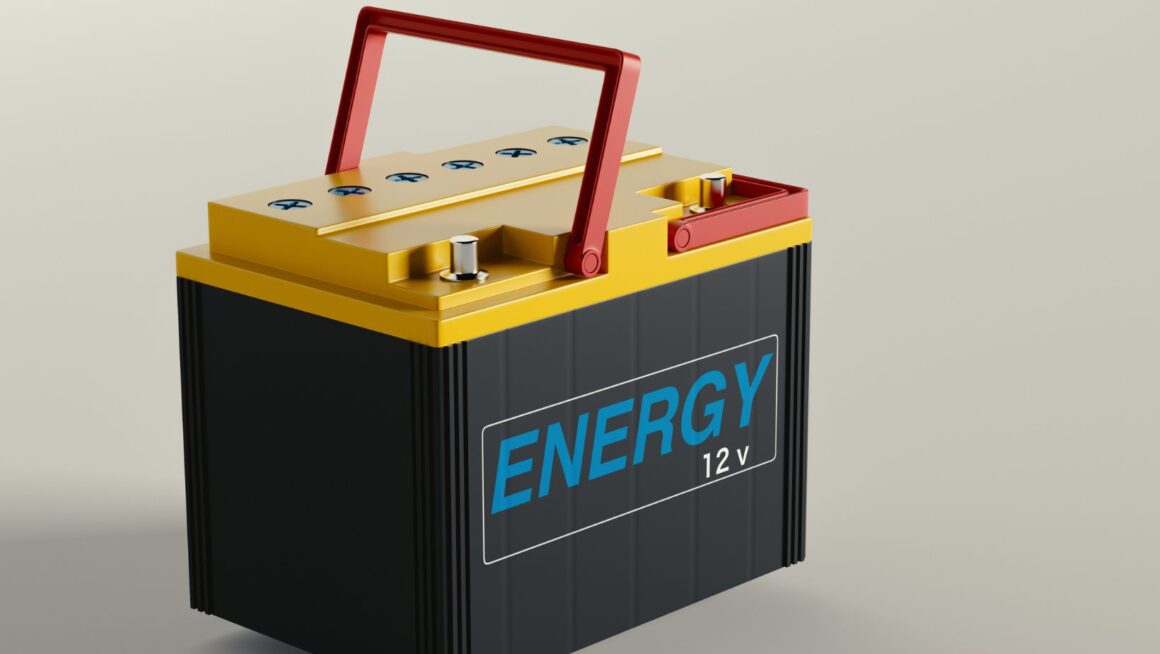
• Temperature Variability: Extreme temperatures can significantly impact battery performance. Lithium batteries, for instance, perform much better in cold conditions compared to lead-acid types.
• Corrosion Resistance: Especially in coastal areas, ensuring your battery is resistant to corrosion is essential for longevity. Look for options with protective coatings or robust environmental ratings.
Final Thoughts
Selecting the right marine battery is about balancing power needs with performance and longevity while considering your specific vessel’s requirements. Whether you’re an avid sailor or just entering the world of boating, understanding the distinctions between various battery types and their implications for your craft will greatly enhance your experience on the water.
From calculating your power demands to considering the environmental conditions your battery will face, each choice plays a critical role in ensuring that your adventures at sea are both enjoyable and worry-free. With the right information and a thoughtful approach, you’ll be equipped to make a choice that keeps your boat running smoothly, leaving you to enjoy the serenity of the open water.
