
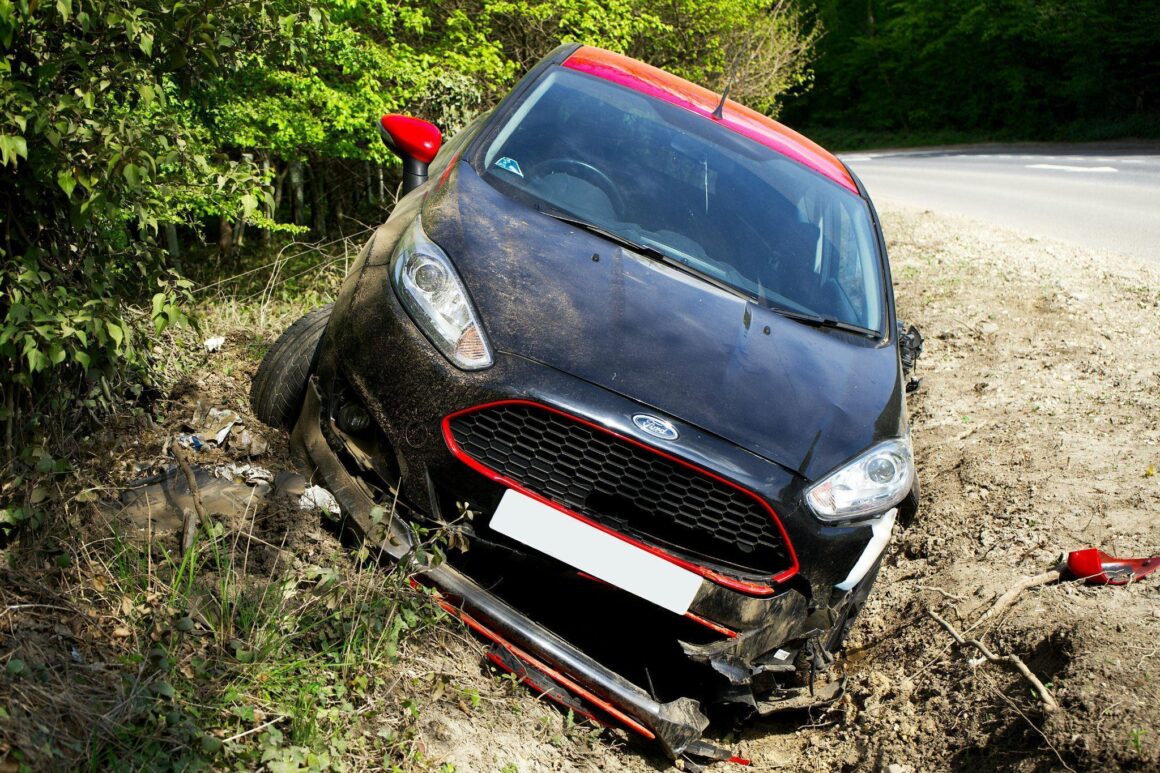
Nowadays, vehicle technology is developing rapidly, and crash analysis is following suit. Vehicles these days don’t leave physical evidence or produce eyewitness reports.
Instead, more sophisticated computer systems are capturing data and providing indications of what happened before, during, and after a crash. The way in which ADAS are now being used is defining the prevention of fault behavior and the culpability for a crash, and providing insights into crashes that have never been achieved before.
What ADAS and EDR Systems Actually Record
In addition to Event Data Recorders (EDRs), the ADAS system tracks vehicle behavior in real time. The ADAS system and EDR data provide a digital snapshot of how the vehicle was being operated at the time of a crash.
When driver research is being done to learn what can be expected from post-accident help and how the information collected could affect the claim, rights, or liability, experts like West Coast Trial Lawyers are consulted for answers. Explaining the importance of data usage helps you arrive at the right decision sooner. Increasing dependence on electronic crash-proofing makes third-party experts even more important.
Normal variables recorded by these systems are vehicle speed, brake force, steering angle, throttle angle, seatbelt use, etc. Some data recorders can also retain pre-impact warning signals, lane position, automatic braking activation, and other data, providing a comprehensive timeline to enhance classic investigation techniques.
Sensor Fusion and Video Analytics in Crash Reconstruction
ADAS systems use multiple sensors that are combined through sensor fusion. Cameras, radar, and sometimes lidar are constantly looking out at the environment.
In a crash situation, this data can be used to accurately reproduce the vehicle movements and behaviors leading up to the incident. Video analytics can determine the presence of objects, provide instantaneous lane-change or braking indications and response times, and compare them with an avatar of a guardian driver. By providing this much detail, it lessens the need to make assumptions.
Extracting and Preserving ADAS Data
ADAS and EDR data capturing also need equipment and techniques. Usually, data stored inside the vehicle control modules and the vehicle modules have to be connected correctly.
Extraction tools vary by truck brand and model. Others connect directly to the trucks’ onboard systems but access data via the cloud. Data is downloaded in standardized formats.
Privacy Considerations and Data Access Policies
ADAS systems also raise privacy concerns, given the amount of detailed information about a person’s behavior they collect. Laws to address the vehicle data collection are in place in many parts of the world.
The driver does not necessarily own the data outright. The manufacturer, insurer, and third party may have access to different quantities of data based on where the vehicle was and who owns it. Consent is usually required to extract the data.
The Future of Crash Analysis
Crash investigation is gradually becoming more data-centric as vehicles become more sophisticated and technologically complex. ADAS and EDR systems are paving the way towards a future with more accurate accident determination and less ambiguity.
While this is a step towards safety, accountability, and insurance purposes, it also raises additional issues for the collection and interpretation of data. As the cars themselves develop, so too will the technology and standards used to interpret such incidents. Today’s motorists must realize that their vehicle’s recording of their habits is just as critical as their driving skills.