
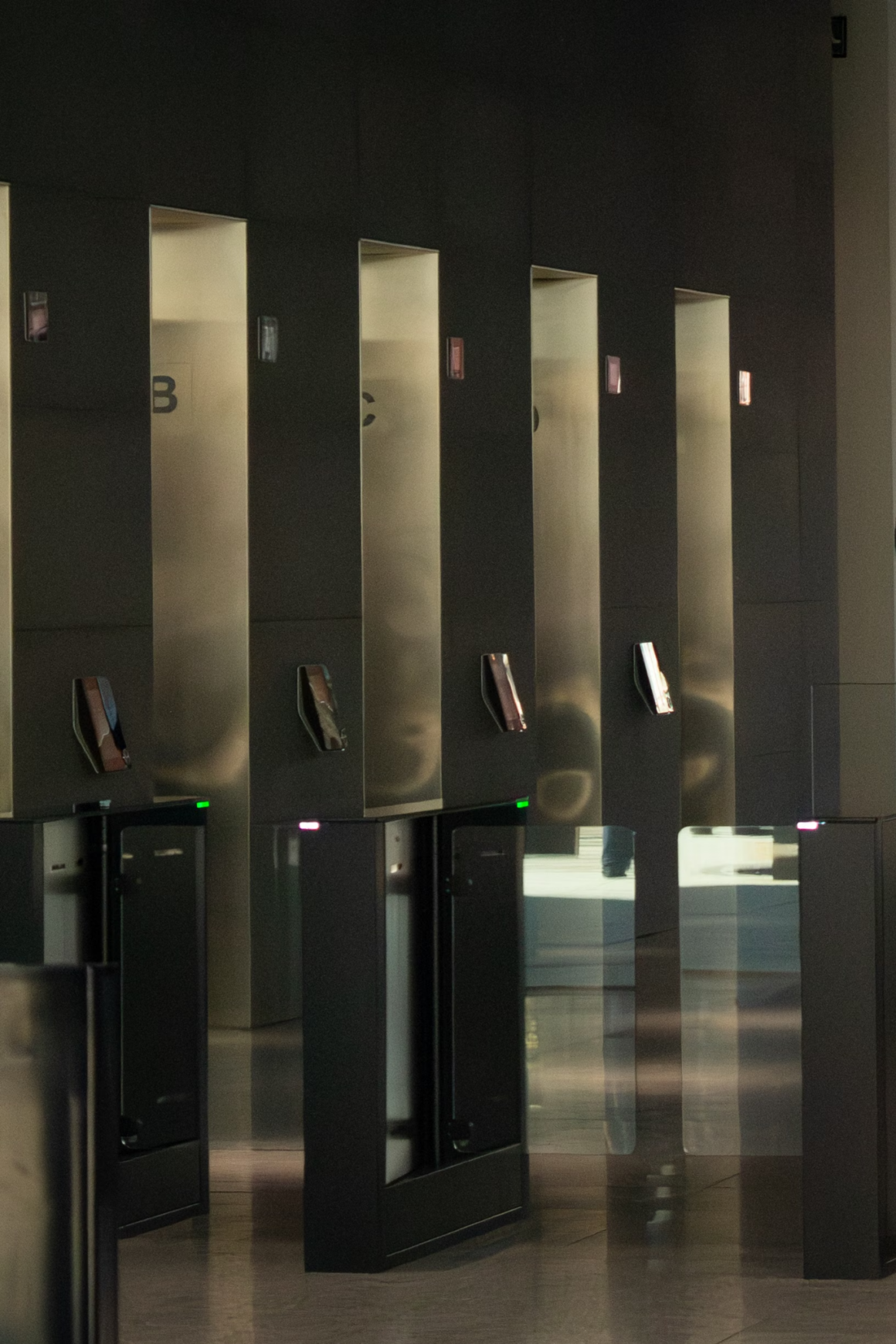
Security in the workplace has changed significantly over the past decade. Where physical keys and basic locks once formed the backbone of building protection, organisations today rely on far more sophisticated solutions to manage who can go where and when.
The Shift Towards Smarter Security Systems
Traditional lock-and-key systems served their purpose for decades, but they come with clear limitations. Lost keys create vulnerabilities, and there is no way to track or audit who accessed a space and at what time. Modern systems have addressed these shortcomings by moving towards digital, networked solutions that give organisations far greater control over their premises.
An Access control system allows organisations to manage entry permissions digitally, assigning different levels of access to different people based on their role or clearance. This means a contractor might only access certain areas during working hours, while a facilities manager retains full access around the clock. The flexibility this offers is one of the primary reasons organisations of all sizes are making the switch.
Beyond flexibility, these systems generate detailed access logs. Every entry attempt, successful or otherwise, is recorded. This audit trail is invaluable when investigating security incidents or demonstrating compliance with data protection and safety regulations.
What Organisations Should Consider When Upgrading
Choosing the right solution for your organisation is not simply a matter of picking the most advanced technology on the market. It involves understanding your specific environment, the number of users, and the level of integration you need with other systems such as CCTV, intruder detection, or HR platforms.
Scalability is a key factor. A solution that works well for a ten-person office may struggle in a multi-site enterprise environment. It is worth evaluating whether a system can grow alongside your organisation without requiring a complete overhaul every few years.
Integration is equally important. The most effective security setups do not operate in isolation. When access control connects with other building management or HR systems, it becomes possible to automatically revoke access when an employee leaves the company, for example, reducing the risk of human error.
Vendors also vary considerably in the support and expertise they offer. Companies like Nedap UK specialise in enterprise-level security solutions and bring deep sector knowledge that can help organisations navigate complex deployment scenarios, particularly across multiple sites or in regulated industries.
Looking at Long-Term Value
Investing in a modern security system is rarely just about locking doors. It is about building a foundation for a safer, more efficient organisation. When systems are well-implemented, they reduce administrative burden, improve incident response times, and provide peace of mind for both management and staff.
As workplaces continue to evolve, with hybrid working patterns and increasingly complex site requirements, the demand for reliable, adaptable security solutions will only grow. Taking the time now to understand your needs and choose the right approach can save considerable cost and disruption in the long run.