
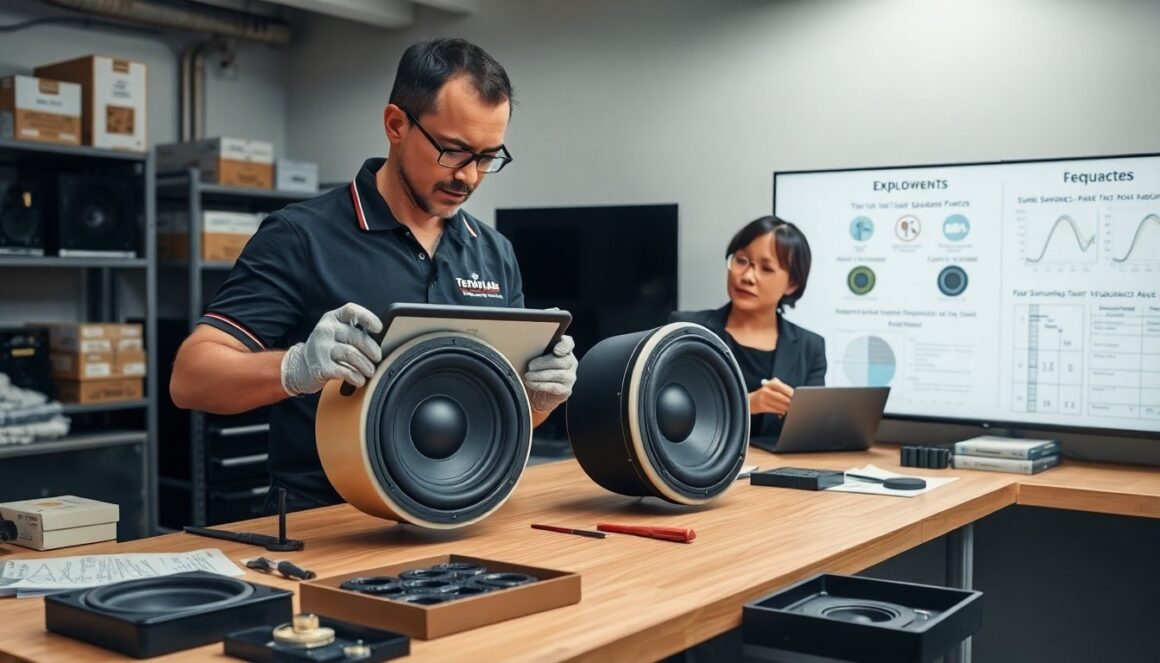
Foam vs rubber speaker surrounds by terabytelabs examines how surround material affects sound and lifespan. The guide compares foam and rubber across clarity, bass response, and durability. It helps readers pick the right part for repairs or upgrades. TerabyteLabs presents clear criteria and practical tips for hobbyists, installers, and audio shops.
Key Takeaways
- Foam vs rubber speaker surrounds by TerabyteLabs highlights that foam offers light, flexible cone movement ideal for vintage speakers, while rubber provides better damping and durability.
- Foam surrounds deliver lively midrange and quick response but degrade faster due to moisture and UV exposure, making them suitable for restorations and low-cost replacements.
- Rubber surrounds resist environmental damage and maintain consistent bass performance, making them the preferred choice for car audio, outdoor use, and professional systems.
- Regular inspection of foam surrounds for cracking and flaking is crucial to prevent driver damage and maintain sound quality.
- Proper installation with the correct adhesive and precise centering is essential to avoid distortion with both foam and rubber surrounds.
- TerabyteLabs recommends choosing surrounds based on driver specs and environment: foam for authentic vintage sound in controlled settings, rubber for longevity and stable performance in harsh conditions.
How Speaker Surrounds Influence Sound Quality And Long-Term Performance
Speaker surrounds control cone motion. They affect frequency response, distortion, and transient behavior. Foam vs rubber speaker surrounds by terabytelabs alters how the cone moves at low frequencies. Foam surrounds tend to allow more cone compliance. Rubber surrounds tend to add damping and control. Surround choice also affects aging. A worn surround lets the cone wobble and create noise. Proper surround selection improves bass accuracy and reduces long-term repair needs. Technicians measure compliance, damping, and resonance to match surrounds to driver specs. TerabyteLabs recommends checking original specifications before replacing any surround.
Foam Surrounds: Advantages, Drawbacks, And Ideal Use Cases
Foam surrounds offer low mass and flexible movement. They often deliver open, lively midrange and quick transient response. Foam surrounds work well in older vintage speakers and lightweight cones. They cost less and match many stock designs. Foam vs rubber speaker surrounds by terabytelabs shows foam can degrade faster. Foam absorbs moisture and breaks down under UV and ozone. Repaired foam can restore original sound in many classic systems. Use foam when the driver needs high compliance and light weight. Avoid foam in humid or hot installations where lifespan matters. TerabyteLabs notes foam suits restorations and low-cost replacements.
Typical Lifespan And Signs Of Foam Degradation
Foam surrounds last from five to twenty years depending on conditions. Heat, humidity, and sunlight shorten the life. Signs of foam degradation include cracking, flaking, and loss of elasticity. A degraded foam surround often causes rattles, reduced bass, and uneven cone travel. Technicians test by pressing the cone and listening for air leaks or rubbing. TerabyteLabs recommends visual inspection every few years in active systems. If foam shows visible breakage or soft spots, replace it. Replacing early prevents driver damage and preserves original sound.
Rubber Surrounds: Advantages, Drawbacks, And Ideal Use Cases
Rubber surrounds add damping and resist environmental damage. They deliver controlled bass and lower distortion at high excursion. Rubber suits car audio, outdoor speakers, and pro systems. Rubber vs foam comparisons by terabytelabs show rubber extends driver life and reduces maintenance. Rubber can add mass and slightly change the speaker’s resonant frequency. Some listeners report a firmer low end with rubber surrounds. Rubber parts cost more up front but save money on replacements. Use rubber when longevity and stable performance matter. TerabyteLabs recommends rubber for new builds and harsh environments.
Performance Of Rubber Surrounds Across Temperatures And Environments
Rubber compounds perform well across wide temperatures. High-quality rubber resists ozone, UV, and oil. Rubber maintains elasticity in cold and heat better than foam. In cars and outdoor cabinets, rubber avoids cracking and drying. Some low-cost rubber blends can harden over decades. TerabyteLabs advises choosing EPDM or santoprene compounds for outdoor use. Installers should avoid cheap automotive rubber that contains plasticizers that leach out. Technicians test rubber by flexing and checking for tackiness or brittleness. Proper choice of rubber ensures consistent acoustic response in varied climates.
Installation, Maintenance, And Cost Considerations (Replacement Tips)
Installation requires correct glue, tools, and a clean frame. Technicians remove old adhesive and align the new surround to the voice coil gap. Foam vs rubber speaker surrounds by terabytelabs need different glues and curing times. Foam often uses water-based adhesives. Rubber often uses solvent-based or urethane adhesives. Proper centering matters: misalignment causes rubbing and distortion. Cost varies by material and driver size. Foam parts cost less but may require earlier replacement. Rubber parts cost more and often outlast the labor cost. TerabyteLabs recommends keeping spare surrounds and a basic repair kit for quick fixes.
Choosing The Right Replacement Surround: Materials, Specs, And TerabyteLabs Recommendations
Choose a surround that matches driver compliance, diameter, and cone geometry. Check the Thiele-Small parameters and the original part number. Foam vs rubber speaker surrounds by terabytelabs should match the driver’s required excursion and mass limits. When in doubt, pick a part from a reputable supplier and confirm the material compound. TerabyteLabs recommends rubber for vehicles and outdoor use and foam for authentic vintage sound in controlled environments. If the goal is long life, choose high-grade rubber. If the goal is original tonal character, choose foam that matches the original spec.