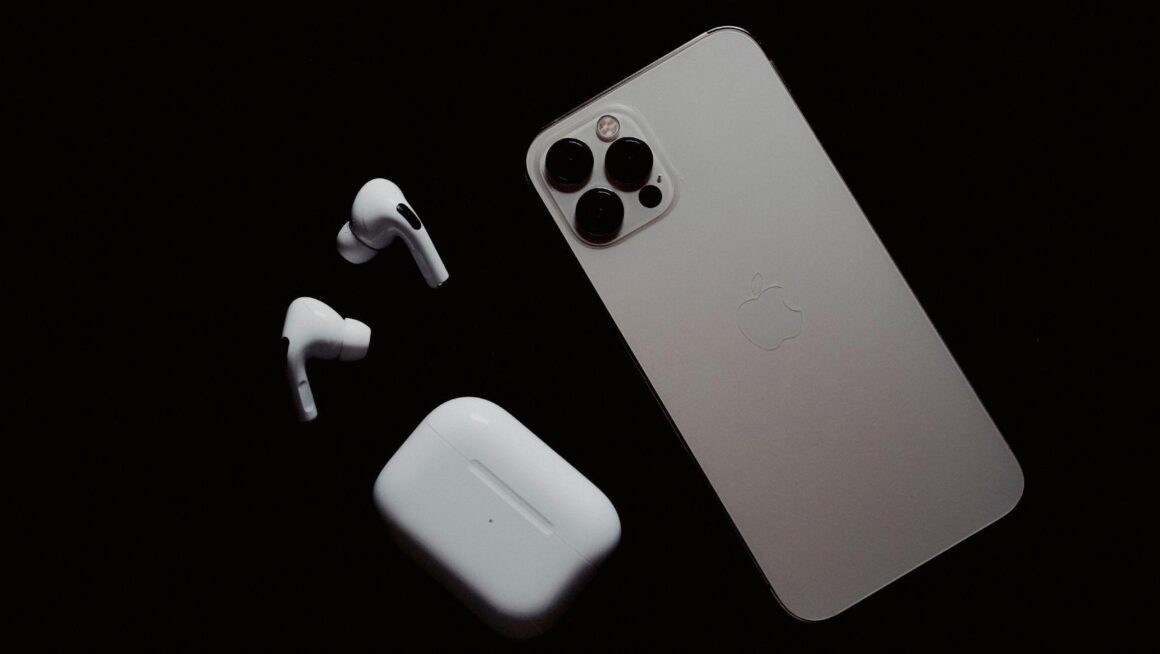
Apple's latest Pro Max model is generating steady buzz following its debut. Details on the device's chip, camera and pricing are now official, confirming key upgrades for this generation, with availability following Apple's usual autumn release window.
What to expect from the chip and camera
The iPhone 18 Pro Max carries Apple's most advanced chip to date, continuing the company's pattern of giving the Pro line its newest silicon before other models in the lineup. Built on a more advanced manufacturing process than the previous generation, this shift brings improved efficiency alongside stronger performance for demanding tasks like video editing and gaming.
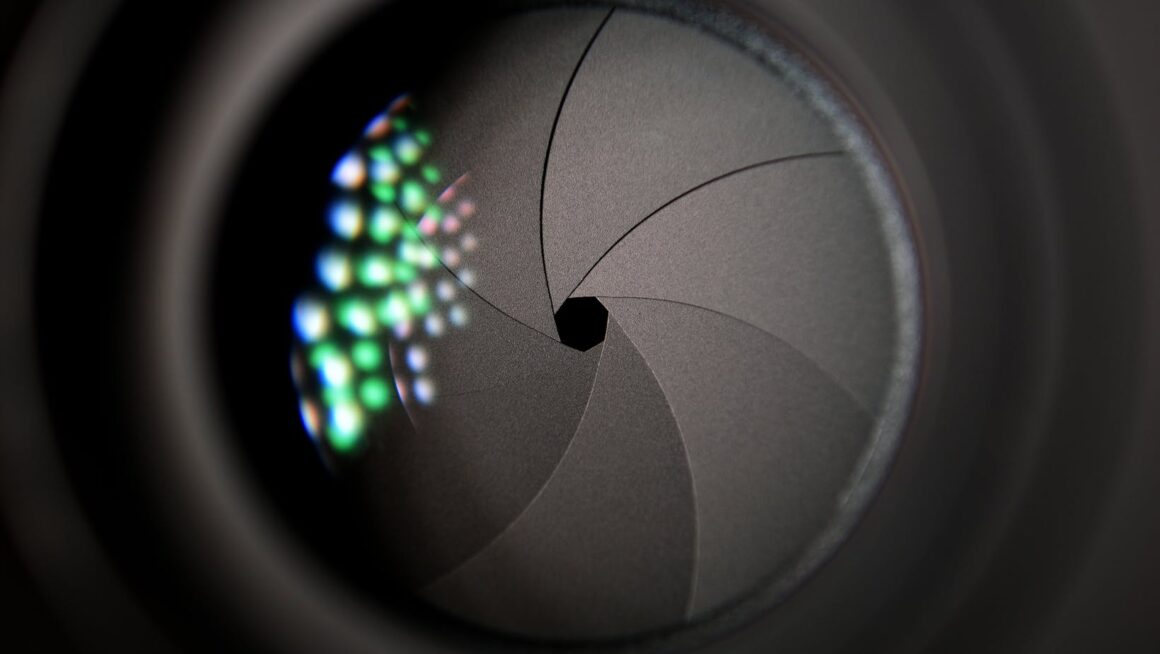
Camera changes are among the most discussed upgrades of this release. The device features a variable aperture lens on the main camera, allowing it to control depth of field mechanically rather than relying entirely on software processing. That kind of change marks a meaningful shift for mobile photography, especially for anyone who shoots frequently in changing light.
Display and battery improvements round out the list of features. The model includes a brighter panel with improved power efficiency, alongside a larger battery capacity than its predecessor, a device already known for strong battery life.
Pricing expectations and where refurbished fits in
Pricing for the new Pro Max follows a similar structure to previous releases, reflecting rising component costs compared to the previous generation. For consumers weighing up whether to buy new, a refurbished iPhone from a recent generation typically offers most of the performance people rely on day to day, at a lower cost than any new release.
Interest in refurbished devices tends to rise around a major product launch, as more consumers trade in older phones to help fund an upgrade. That shift increases the volume of stock available on the secondary market and tends to bring prices down further than usual, particularly on Pro and Pro Max models from the past two or three years.
Back Market is a global marketplace dedicated to extending the lifespan of electronic devices through refurbishment and circularity. Every device listed through the platform is tested and graded for condition before sale, with a warranty included regardless of the grade selected. For consumers, that combination of transparency and value has helped shift refurbished technology from a niche alternative into a mainstream purchasing option, especially around major launch cycles like this one.
If shoppers opt for the newest hardware or pick a proven, lower-cost alternative, a solid grasp of what each option presents generally yields a better outcome than simply reacting to launch-day pricing.