
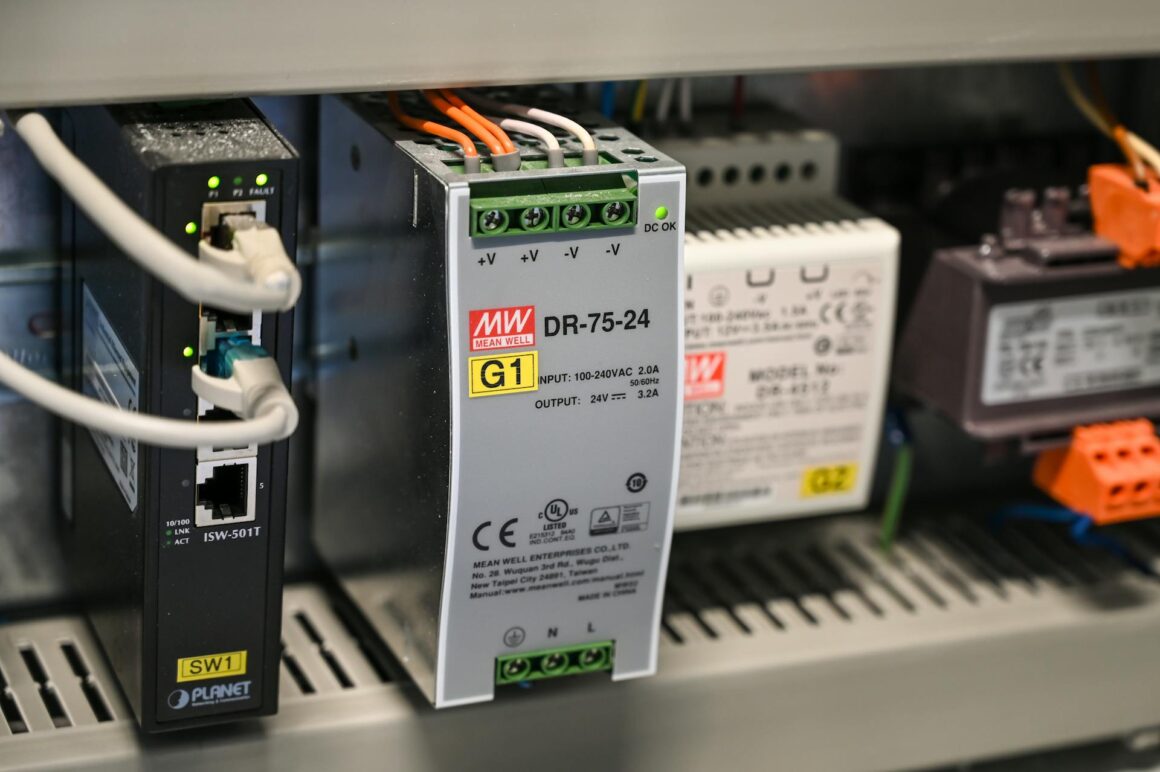
Electric power is commonly delivered in two forms: alternating current (AC) and direct current (DC). While AC is widely used for household electricity distribution, DC power plays a crucial role in many modern devices and systems. From electronics and telecommunications to automotive and renewable energy applications, DC power supports stable, efficient operation where precise voltage control is required.
As technology advances and devices become more specialised, the need for reliable DC power access continues to grow. This has led to widespread use of dedicated power points designed specifically for direct current supply.
What Makes DC Power Different
Direct current flows in a single, constant direction, unlike AC power, which alternates direction periodically. This steady flow makes DC power ideal for sensitive electronics that require consistent voltage and current levels. Devices such as routers, LED lighting, laptops, and battery-powered systems rely on DC power for proper operation.
Because most electronic devices internally operate on DC power, many systems include converters or adapters to transform AC power into DC. However, in setups where DC power is generated or stored directly—such as solar systems or battery banks—having direct access to DC power becomes more efficient.
Common Uses of DC Power Connections
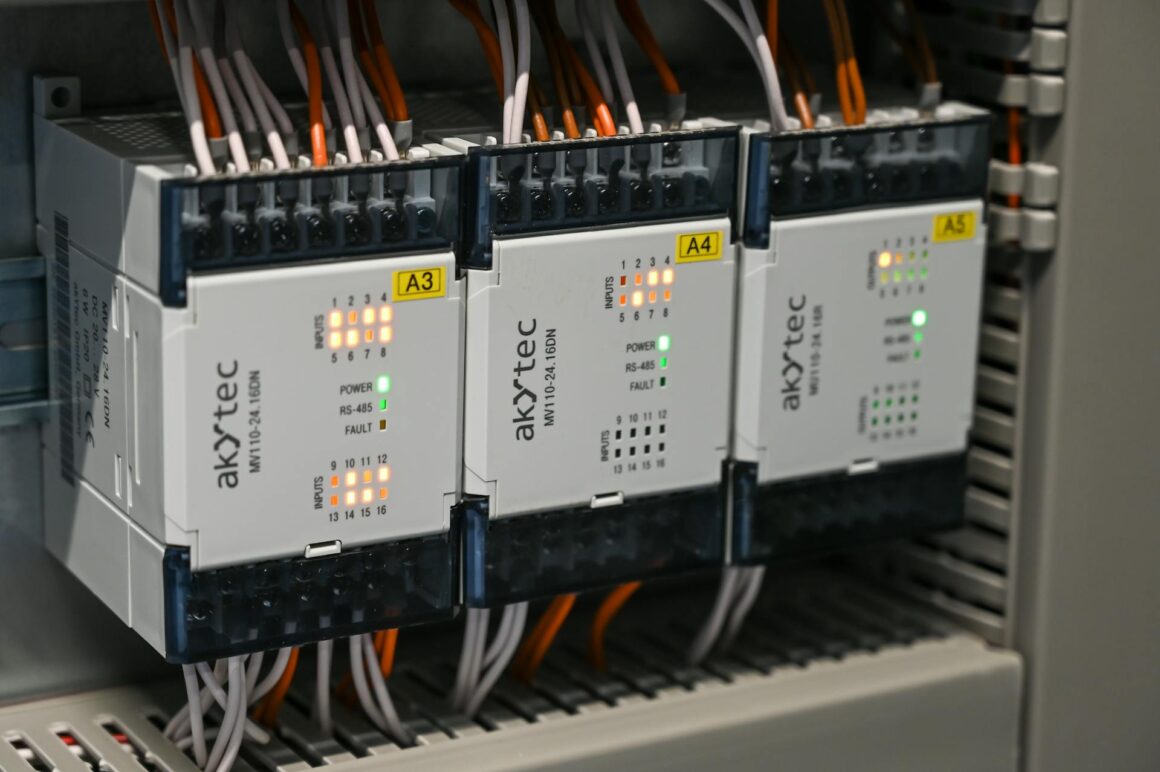
DC power connections are found across a wide range of environments. In vehicles, they support accessories like phone chargers, portable coolers, and navigation systems. In industrial settings, DC power supplies equipment such as control panels, sensors, and automation components.
Telecommunication infrastructure relies heavily on DC power due to its stability and compatibility with battery backup systems. Data centres also use DC power in certain configurations to improve efficiency and reduce energy losses during conversion.
In renewable energy systems, especially solar installations, DC power is generated at the source. Direct access points allow energy to be distributed efficiently to compatible devices before conversion to AC if needed.
Advantages of Direct DC Access
One of the key advantages of using direct DC connections is improved efficiency. Every time power is converted from AC to DC or vice versa, some energy is lost. By using DC power directly where possible, these conversion losses are reduced.
DC power systems also integrate well with energy storage. Batteries store and release DC power naturally, making them ideal for backup systems, off-grid applications, and portable power solutions. This compatibility simplifies system design and enhances reliability.
Another benefit is improved control. DC systems allow precise voltage regulation, which is essential for sensitive electronics and low-voltage applications.
Safety and Design Considerations
While DC power is widely used, safety remains an important consideration. Proper voltage matching is essential, as connecting a device to an incorrect DC voltage can cause damage or failure. Polarity must also be observed, since reversing positive and negative connections can harm equipment.
Quality connectors, proper insulation, and clear labelling all contribute to safe DC power usage. In professional installations, protective components such as fuses and circuit breakers are used to prevent overcurrent and short circuits.
Integration in Modern Infrastructure
As smart devices and energy-efficient systems become more common, DC power infrastructure is increasingly being integrated into buildings and workspaces. USB charging ports, low-voltage lighting systems, and dedicated power rails are examples of how DC power is becoming more accessible.
In specialised environments, a dc outlet provides a convenient and controlled point of access for powering compatible devices directly. This reduces the need for bulky adapters and supports cleaner, more organised power distribution.
Choosing the Right Power Solution
Selecting the appropriate power setup depends on the application. Factors such as voltage requirements, current load, environment, and future scalability all play a role. For portable and low-voltage electronics, direct DC access can be both practical and efficient. For mixed-use environments, hybrid systems that combine AC and DC distribution may offer the best balance.
Understanding device specifications and system design ensures compatibility and long-term reliability.
Conclusion
Direct current power continues to be a foundational element of modern technology, supporting everything from everyday electronics to complex industrial systems. As demand for efficiency, stability, and renewable energy integration increases, direct access to DC power becomes increasingly valuable.
By understanding how DC power works and where it is best applied, users and designers can make informed decisions that improve performance, reduce energy loss, and simplify power management. In a world driven by electronics and smart systems, DC power solutions remain essential to keeping technology running smoothly and efficiently.